
Cigar Reviews
Hoyo de Monterrey Le Hoyo de Río Seco Review
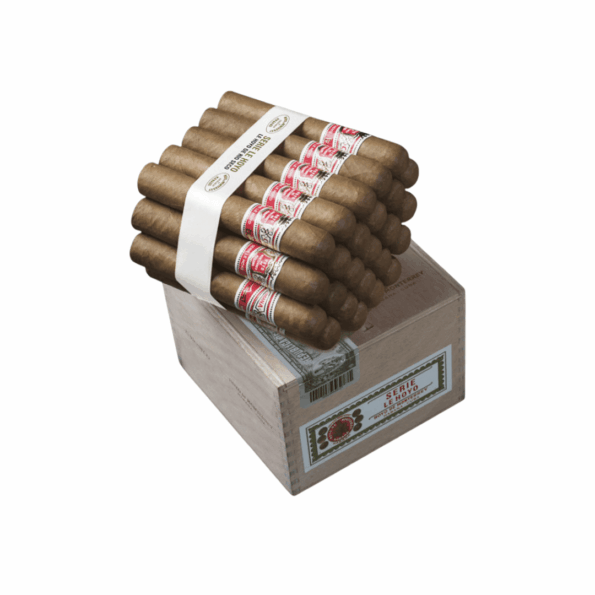
Late evening. A glass of aged rum catches amber light on the side table. Outside, the noise of the day has finally burned itself out. The Le Hoyo de Río Seco rests between two fingers, its oily wrapper glistening faintly under the reading lamp. There is a weight to this cigar — not just physical, but intentional. Habanos S.A. designed the Le Hoyo line to take Hoyo de Monterrey somewhere it hadn’t been before: into bolder, more modern territory. And the Río Seco, a thick Gran Robusto measuring 5.6 inches with a 56 ring gauge, carries that ambition in every leaf.
I reached for a straight cutter, sliced cleanly just above the triple cap, and drew cold air through the barrel. What came back was rich and immediate — dark roasted coffee, a whisper of black pepper, and something sweet lurking beneath it all, like dried cherries left in a cedar humidor. The wrapper itself smelled of barnyard hay and cocoa butter. Not a single element felt uncertain.
This was going to be a serious smoke. The kind you don’t pair with conversation, but with silence.
A Modern Shape for a Historic Brand
Hoyo de Monterrey is one of Cuba’s oldest cigar brands, with roots stretching back to 1865. For most of its existence, the marca built its reputation on gentle, nuanced blends — cigars that prioritized smoothness and accessibility over raw power. The Epicure series, particularly the beloved Epicure No. 2, defined this identity for generations of smokers.
Then came the Le Hoyo line. Released as part of Habanos’ broader strategy to modernize certain brands, the Le Hoyo range — which includes the Le Hoyo de San Juan and the Río Seco — pushed the brand’s flavor profile into medium-full territory. And the Río Seco’s 56 ring gauge represented something else entirely: a concession to contemporary preferences for thicker, more substantial cigars that deliver dense, concentrated smoke.
This matters because the wider ring gauge fundamentally changes the smoking experience. More filler tobacco means a cooler, slower burn. The ratio of wrapper to binder to filler shifts, allowing the blend’s deeper notes to express themselves without the wrapper’s influence overpowering the mix. The result, in the Río Seco’s case, is a cigar that feels both distinctly Hoyo and distinctly different from anything the brand produced in its first hundred and fifty years.
Specifications at a Glance
| Marca | Hoyo de Monterrey |
| Sub-Line | Le Hoyo |
| Vitola Name | Gran Robusto |
| Dimensions | 5.6″ x 56 Ring Gauge |
| Strength | Medium-Full |
| Estimated Smoke Time | 70 – 90 minutes |
| Tobacco Origin | Vuelta Abajo, Pinar del Río |
First Third — Smoke Fills the Room
The toast took its time. With a foot this wide, patience matters — rushing the light produces an uneven burn that can plague the entire first third. I worked a cedar spill around the perimeter, let the tobacco catch gradually, and took the first real draw.
Dense. That was the word that came to mind before any specific flavor registered. The Río Seco produces a volume of smoke that fills the mouth completely, coating the palate in a thick, creamy layer. The first identifiable note was dark roasted coffee — not espresso, but something closer to a French press brewed with beans roasted just past medium. Behind it, a wall of earth: damp soil, crushed minerals, a faint fungal quality like truffles shaved over warm bread.
Black pepper arrived on the retrohale, firm but controlled. Pushing smoke through the nose revealed additional layers — toasted sesame, a hint of smoked paprika, and underneath everything, a persistent sweetness that grounded the bolder flavors. The burn line ran perfectly straight from the start. The ash was a light, marbled gray that held for over an inch before I deliberately tapped it off.
The draw resistance was ideal. Enough resistance to slow you down, enough openness to reward each pull with a satisfying quantity of smoke. This is a cigar that was constructed with care — no hard spots, no tunneling, no uneven burn to manage. In a market where Cuban construction has earned a mixed reputation, the Río Seco consistently arrives well-made.
Second Third — Complexity Arrives
Midway through, the profile shifted in a direction I wasn’t anticipating. The coffee and earth remained as the foundation, but they were joined by a pronounced dark chocolate note — bitter, almost medicinal in its intensity, like unsweetened baking chocolate. A cedar quality emerged on the finish of each draw, woody and warm, as though the smoke had passed through a freshly planed board of Spanish cedar before reaching my palate.
The pepper softened. In its place, a nutty creaminess rose — roasted hazelnuts, perhaps, or chestnuts pulled from an open fire. The smoke texture became even denser, leaving a coating on the lips that lingered between draws. Through the nose, a gentle floral note appeared — unexpected in a cigar this robust, but undeniably present. It reminded me of dried lavender, subtle enough that I might have missed it if I’d been smoking outdoors in a breeze.
Body-wise, the Río Seco had settled comfortably into medium-full territory. The nicotine was noticeable but not aggressive — enough to keep you alert and engaged, not enough to send you reaching for sugar. This is a cigar that respects the smoker’s capacity while still making its presence felt.
I paused to examine the construction. The wrapper, despite over thirty minutes of burning, showed no cracking, no peeling, no signs of structural weakness. The seams remained tight. Whatever the rollers at the factory did with this particular vitola, they did it well.
Final Third — A Commanding Finish
The last portion of the Río Seco brought everything forward. Flavors that had been playing support roles throughout the first two-thirds now stepped to the front. Leather — aged, slightly tannic, the kind you associate with a well-worn book binding — became the dominant theme. The dark chocolate intensified, gaining an espresso edge. A mineral note, almost metallic, appeared on the finish, adding a savory dimension that balanced the sweetness still lingering beneath the surface.
The smoke grew warmer as the nub shortened, concentrating the flavors into tighter, more focused expressions. Cedar remained constant. A touch of black pepper returned on the final retrohales, closing the circle that began with the cigar’s opening draws. The burn stayed true to the end — no canoeing, no relighting necessary.
I set the nub down after seventy-five minutes, satisfied that I’d experienced the cigar’s full range. There was nothing left to discover. The Río Seco had given everything it had, and what it had was considerable.
Pairing Notes — What Belongs Beside This Cigar
The Río Seco’s dark, roasted character pairs naturally with spirits that share its depth. A fifteen-year-old rum with caramel and vanilla notes works beautifully — the sweetness of the spirit offsets the cigar’s earthiness without clashing. Alternatively, a peated Scotch whisky creates an interesting dialogue: smoke meets smoke, peat meets earth, and the combination is more harmonious than you might expect.
For non-alcoholic options, a double espresso served alongside the cigar mirrors its coffee notes in a way that feels almost orchestrated. Strong black tea — something like a Lapsang Souchong, with its own smoky character — also complements the blend well.
What I’d avoid: anything too light or delicate. A pale lager, a white wine, a mild green tea — these will be overwhelmed by the Río Seco’s presence. This cigar needs a partner that can stand beside it, not behind it.
Where the Río Seco Fits in the Cuban Landscape
Among modern Cuban releases, the Le Hoyo de Río Seco occupies an interesting position. It’s bolder than the traditional Hoyo de Monterrey offerings, yet more nuanced than the heavy hitters from Bolívar or Partagás. Think of it as a bridge — a cigar for the smoker who has outgrown the approachable charm of the Epicure series but isn’t ready (or willing) to commit to Cuba’s most punishing full-body blends.
Compared to the Le Hoyo de San Juan, the Río Seco trades length for width. The San Juan’s double corona format allows for a longer, more gradual evolution, while the Río Seco’s Gran Robusto shape delivers a more concentrated, front-loaded experience. Both are excellent. The choice between them depends on how much time you have and whether you prefer breadth or intensity.
For those exploring the fuller end of the Cuban robusto spectrum, the Río Seco belongs on any short list. It offers complexity that justifies attention, construction that earns trust, and a price point that makes it accessible enough for regular enjoyment rather than special-occasion hoarding.
Experience the Le Hoyo de Río Seco
Closing Impressions
The rum is gone. The lamp has dimmed. A thin ribbon of smoke trails upward from the ashtray where the Río Seco’s nub rests, still faintly warm. What stays with me isn’t any single flavor or any particular moment during the smoke — it’s the sense that Hoyo de Monterrey, a brand so often associated with gentleness, proved it could speak with real authority when it chose to.
The Le Hoyo de Río Seco is a modern Cuban cigar in the best sense of the phrase. It respects tradition while pushing beyond it. It acknowledges what today’s smokers want — bigger gauges, deeper flavors, construction you can rely on — without sacrificing the craftsmanship that made Hoyo de Monterrey worth caring about in the first place.
If you’ve been sleeping on this one, consider this your signal to stop.
You Might Also Enjoy
- Hoyo de Monterrey Epicure No. 2 Review — Where the Hoyo journey begins for most smokers
- Hoyo de Monterrey Le Hoyo de San Juan — The double corona sibling in the Le Hoyo range
- Best Cuban Robusto Cigars — Our guide to the thickest, richest Cuban ring gauges
Okay so I need to weigh in on the ring gauge debate here. Is 56 too big for a Cuban? Five years ago I would have said absolutely yes. Cubans should be 50 max, that’s the classic way, etc. But then I actually smoked the Rio Seco and… yeah. I was wrong.
This Gran Robusto Cuban cigar format works because the blend was designed for it. It’s not like they took an existing blend and just made it fatter. The 56 ring gauge cigar review crowd usually complains about diluted flavor and mushy draws but the Rio Seco has none of that. Firm pack, excellent draw resistance, and the wider gauge actually lets those earthy and spicy notes develop more gradually.
What I will say is this — if you’re comparing Le Hoyo de Rio Seco vs San Juan, they’re very different experiences despite being siblings. The Rio Seco is bolder out of the gate, more pepper in the first inch. The San Juan takes its time. Both excellent, different moods.
The whole modern Cuban vitola movement is fascinating to me. I’ve been collecting Cuban cigars for over 15 years and the shift toward larger ring gauges was controversial at first. But looking at what Habanos has released in the last decade — the Wide series, the BHK line, and now the Le Hoyo range — it’s clear these are among the best modern Cuban cigar releases we’ve seen.
The Rio Seco in particular represents what the Hoyo de Monterrey new releases program should be about. Taking a heritage brand and giving it a contemporary expression without losing identity. Some brands lost their soul chasing bigger formats (looking at you, certain Cohiba regional editions). The Rio Seco still tastes like a Hoyo — that signature smoothness is there — but with more power and complexity layered on top.
I have a few boxes aging in my cellar in Bratislava. Curious to see how they develop past the 3-year mark.
Real talk — the pairing game with this cigar is where it gets interesting. I’ve tried the Rio Seco with everything from single malt to aged rum and here’s my take:
Bourbon works better than rum with this stick. I know that’s borderline heresy with a Cuban cigar but hear me out. The Gran Robusto Cuban cigar format has so much body that a sweet rum gets lost behind it. A good bourbon — something with rye spice like a Four Roses Single Barrel or Woodford Reserve — actually complements the pepper and leather notes in the Rio Seco. The sweetness of the bourbon balances the cigar’s strength without competing with it.
Rum pairings work better with the San Juan honestly. That’s a smoother, more nuanced cigar where a nice Zacapa or Diplomatico can shine. Le Hoyo de Rio Seco vs San Juan is really a matter of what’s in your glass as much as what’s in your mood.
I picked up a box of these after reading multiple 56 ring gauge cigar review articles that kept putting the Rio Seco near the top. Coming from someone who mostly smokes Lonsdale and Corona Gorda formats, the jump to a Gran Robusto was significant. Took me about three sticks to really “get” it.
The first one I oversmoked — puffed too fast and it got harsh halfway through. The second one I took way too slow and it went out four times. Third one I found the rhythm and suddenly understood why people rave about this cigar. You need to puff every 45-60 seconds or so and just let it do its thing.
It’s definitely one of the best modern Cuban cigar releases and I think the Hoyo de Monterrey new releases are finally getting the brand the respect it deserves. Not every cigar needs to be a Cohiba or Montecristo to be world-class.