
Blog
Why Are Cuban Cigars Illegal? The Complete Guide to Cuban Cigar Laws
Walk into almost any cigar lounge from London to Tokyo, and you’ll find boxes of Cohiba, Montecristo, and Partagás lining the shelves. Yet in the United States — one of the world’s largest cigar markets — these same products remain off-limits. So why are Cuban cigars illegal in America, and what exactly happens if you get caught with one?
The answer stretches back more than sixty years and involves Cold War politics, presidential hypocrisy, and a trade embargo that has outlasted eleven U.S. presidents. Whether you’re a cigar enthusiast wondering about the law or a traveler considering a purchase abroad, this guide covers everything you need to know about Cuban cigar legality in 2026.
The Origins: How the Cuban Cigar Ban Began
To understand why Cuban cigars are illegal in the US, you need to go back to January 1959. Fidel Castro’s revolution overthrew the Batista government and quickly moved to nationalize private businesses — including American-owned sugar plantations, oil refineries, and factories. Washington responded with escalating economic pressure.
1960: The First Restrictions
President Eisenhower imposed partial trade restrictions against Cuba in 1960 after the nationalization of U.S. properties. These initial measures blocked most commerce except food and medicine, froze Cuban government assets in the United States, and slashed sugar import quotas. Cuban cigars weren’t specifically targeted yet, but the groundwork for a full embargo was being laid.
1962: Kennedy’s Full Embargo (and His Famous Cigar Run)
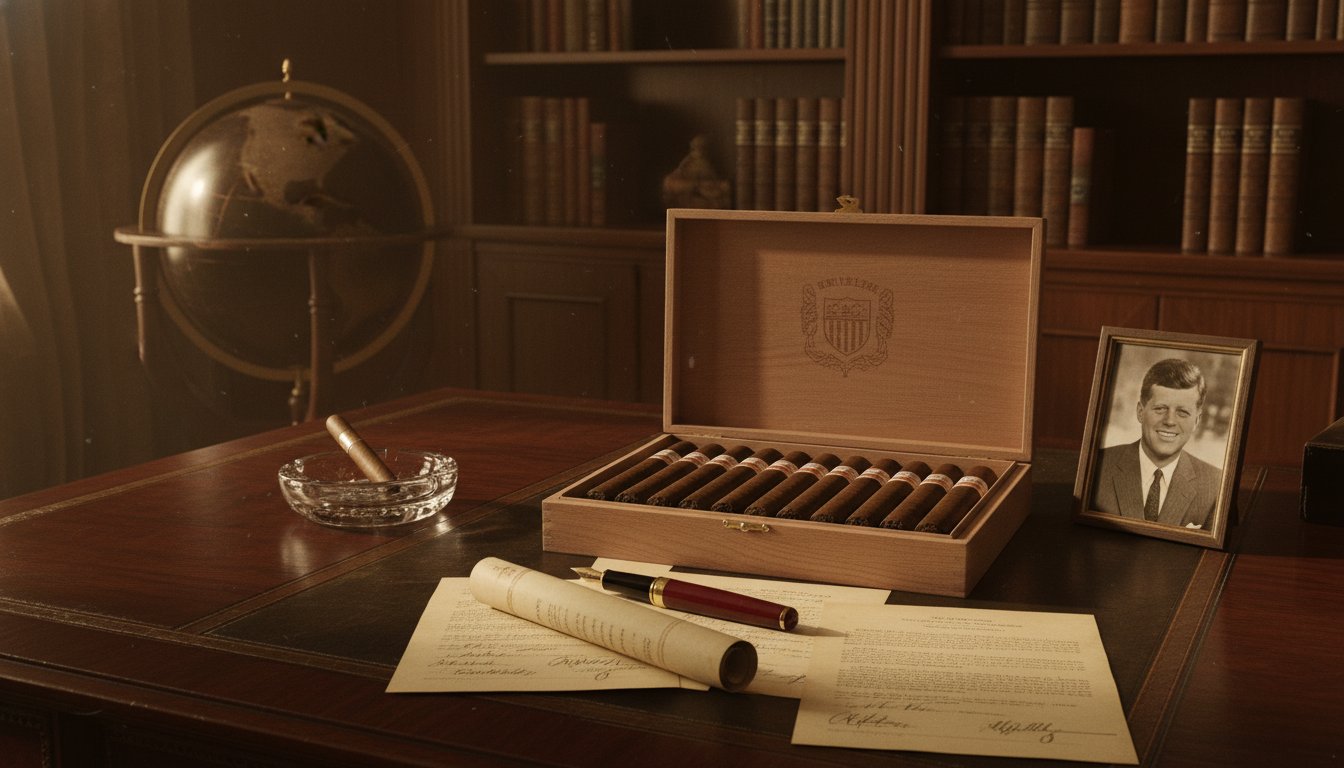
On February 7, 1962, President John F. Kennedy signed Proclamation 3447, establishing a complete trade embargo against Cuba. Every product of Cuban origin — including tobacco — became illegal to import into the United States.
But there’s an iconic footnote to this story. The night before signing the embargo, Kennedy reportedly sent his press secretary Pierre Salinger on an urgent mission: buy every H. Upmann Petit Corona in Washington. Salinger returned the next morning with 1,200 cigars. Only after confirming his personal supply was secured did Kennedy sign the document that made Cuban cigars illegal for every other American.
1996: Helms-Burton Makes It Permanent
While earlier restrictions came through executive orders (which any president could reverse), the Helms-Burton Act of 1996 codified the embargo into law. This meant Congress — not the president alone — would need to act to lift the trade ban. The law also penalized foreign companies doing business with Cuba, further isolating the island’s cigar industry from American consumers.
Are Cuban Cigars Illegal? The Current Law Explained
Yes. As of 2026, Cuban cigars are illegal in the United States under the Cuban Assets Control Regulations (CACR), administered by the Treasury Department’s Office of Foreign Assets Control (OFAC). The prohibition covers:
- Purchasing Cuban cigars anywhere in the world if you are a U.S. citizen or resident
- Importing Cuban cigars into the U.S. by any method — mail, courier, or personal baggage
- Buying online and shipping Cuban cigars to a U.S. address
- Receiving Cuban cigars as gifts from abroad
The law applies regardless of where the cigars were purchased. Buying a box of Cohiba Behikes at a duty-free shop in Canada or a cigar lounge in London makes no difference — bringing them into the U.S. is still a federal violation.
What Are the Penalties?
The penalties for violating OFAC regulations on Cuban goods are severe:
| Violation Type | Potential Penalty |
|---|---|
| Civil penalty (per violation) | Up to $330,947 |
| Criminal fine (willful violation) | Up to $1,000,000 |
| Criminal imprisonment | Up to 20 years |
| Customs seizure | Forfeiture of goods + additional fines |
In practice, a casual traveler caught with a few Cuban cigars will likely have them confiscated and receive a warning or modest fine. But OFAC has the authority to impose much steeper penalties, particularly for repeat offenders or commercial quantities.
A Timeline of Changes: Obama, Trump, and Beyond
The rules haven’t been static. Different administrations have tightened or loosened restrictions over the decades:
2014-2016: Obama Opens a Door
President Obama’s historic diplomatic thaw with Cuba included relaxed travel policies and allowed authorized travelers to bring back Cuban cigars for personal consumption. At its most permissive point, there was no dollar limit on how many cigars you could bring home from an authorized trip to Cuba. However, commercial import and online sales remained prohibited.
2017-2020: Trump Slams It Shut
The Trump administration systematically reversed Obama-era openings. Travel categories were restricted, and in September 2020, OFAC amended the regulations to explicitly ban bringing Cuban tobacco products home in accompanied baggage — even from third countries like Canada or Mexico. This closed the last remaining personal-use loophole.
2021-2026: Status Quo Continues
Despite speculation about changes, the Biden administration made no significant modifications to Cuban cigar import rules. As of early 2026, the full ban remains in effect. Lifting it would require Congressional action due to the Helms-Burton Act, making any near-term changes unlikely regardless of which party holds the White House.
Where Are Cuban Cigars Legal?
Outside the United States, Cuban cigars are legal in virtually every country. The U.S. embargo is a unilateral policy, not an international one.
Countries Where You Can Freely Buy Cuban Cigars
- United Kingdom — Widely available in tobacconists and cigar lounges across the country
- Canada — Sold in duty-free shops, cigar stores, and online retailers
- European Union — Legal throughout, with Spain, Germany, and France being major markets
- Japan — Habanos S.A. has an established distribution network
- Australia, Middle East, Asia — Available through authorized Habanos distributors
For residents of these countries, purchasing authentic Cuban cigars from a trusted online retailer is completely straightforward and legal. The key is buying from authorized sources that carry genuine Habanos S.A. products with verifiable authentication.
Can Americans Buy Cuban Cigars While Traveling?
This is where many people get confused. Americans cannot legally purchase Cuban cigars anywhere in the world, even while traveling. The OFAC regulations apply to U.S. persons (citizens and permanent residents) regardless of location. Buying a Montecristo No. 2 in a London cigar shop is technically a violation if you hold a U.S. passport.
In practice, enforcement focuses primarily on border crossings. U.S. Customs and Border Protection (CBP) actively inspects luggage for Cuban goods, and confiscation is routine at ports of entry.
Why Cuban Cigars Remain So Coveted
Part of what drives the mystique of Cuban cigars is, ironically, the ban itself. But the reputation goes far deeper than forbidden-fruit appeal.

The Vuelta Abajo Advantage
Cuba’s Pinar del Río province — specifically the Vuelta Abajo region — produces what many consider the finest tobacco on Earth. The combination of factors is difficult to replicate:
- Soil composition — Rich in magnesium, calcium, and iron, creating naturally sweet, aromatic leaves with a distinctive light gray ash
- Tropical climate — Consistent temperatures, balanced rainfall, and moderate humidity produce thick, flavorful leaves
- Centuries of expertise — Cuban torcedores (rollers) train for years, mastering the art of blending volado, viso, and ligero leaves for perfect balance
- Traditional fermentation — Leaves are piled in pilones under carefully controlled heat and humidity, releasing sugars and complex aromatics while reducing harshness
How Cuban Cigars Compare
While Nicaragua, the Dominican Republic, and Honduras produce excellent cigars, Cuban tobacco maintains distinct characteristics:
| Origin | Flavor Profile | Strength |
|---|---|---|
| Cuba | Sweet, earthy, complex aromatics with wood and spice | Medium to full |
| Nicaragua | Bold, peppery, robust with chocolate notes | Full-bodied |
| Dominican Republic | Smooth, nutty, tropical fruit undertones | Mild to medium |
| Honduras | Earthy, leather, balanced spice | Medium to full |
The distinction is especially notable in heritage brands like Partagás, Bolívar, and Romeo y Julieta, whose recipes have been refined over more than a century using exclusively Cuban-grown leaf.
How to Verify Authentic Cuban Cigars
With Cuban cigars commanding premium prices, counterfeits are a persistent problem. Genuine Habanos cigars include several authentication features:
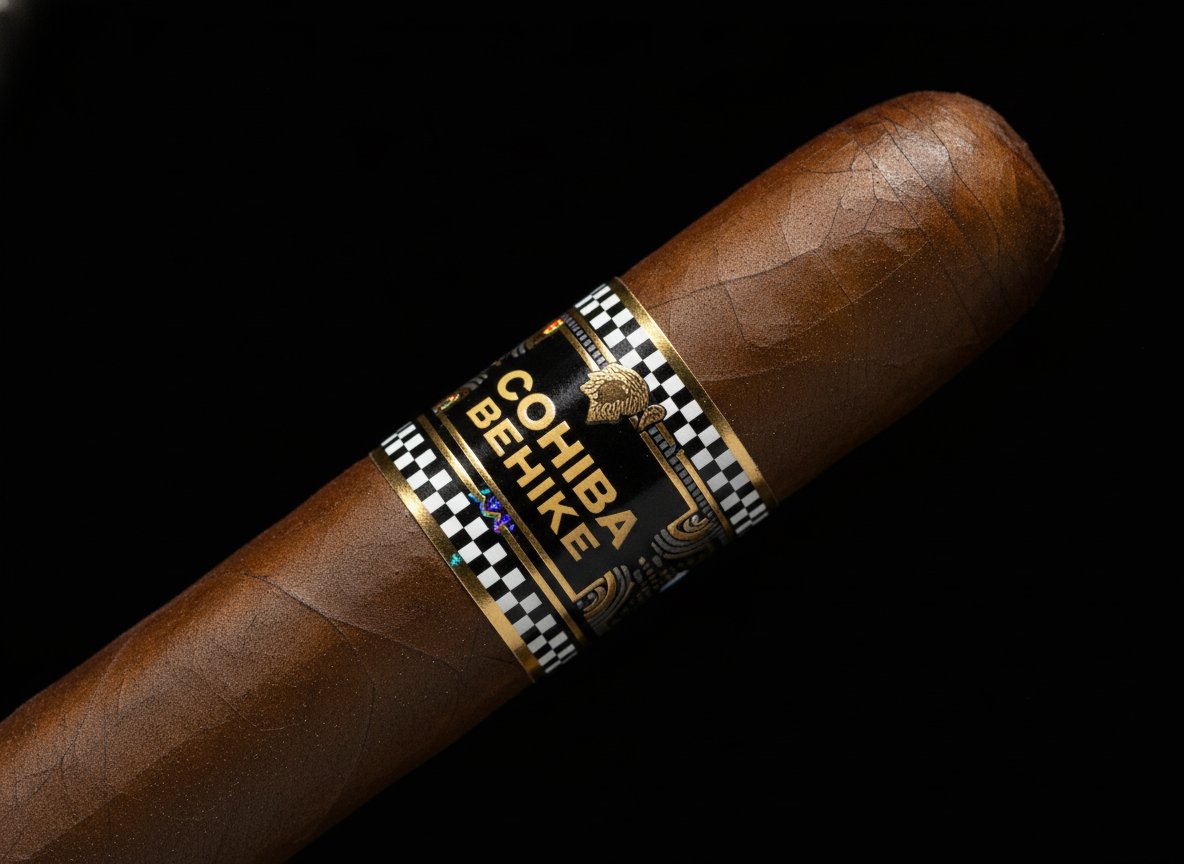
- Habanos seal — Every box carries a green-and-white Habanos S.A. warranty seal with a unique barcode
- Holographic band — Post-2010 bands include holographic elements that shift when viewed at different angles
- Triple cap — Authentic Cuban cigars use a three-layer cap construction unique to Cuban rolling tradition
- Habanos verification — Scan the barcode at verificacion.habanos.com to confirm authenticity
When purchasing from a reputable retailer, you should expect proper Habanos certification, factory codes stamped on the box, and transparent sourcing information.
Frequently Asked Questions
Can I buy Cuban cigars online and have them shipped to the US?
No. It is illegal under OFAC regulations for Cuban cigars to be shipped to any U.S. address. This applies regardless of who places the order or which country the retailer operates from. However, customers in the UK, EU, Canada, and most other countries can legally order Cuban cigars online without restriction.
What happens if customs finds Cuban cigars in my luggage?
U.S. Customs will confiscate the cigars. Depending on the quantity and circumstances, you may receive a warning, a fine, or face more serious legal consequences for large quantities that suggest commercial intent.
Are there any exceptions to the Cuban cigar ban?
The only exceptions apply to U.S. government officials acting in an official diplomatic capacity. There are no personal-use exemptions for ordinary citizens or travelers as of 2026.
Will Cuban cigars ever become legal in the US?
Possibly, but not soon. The Helms-Burton Act requires Congressional action to lift the embargo, which is tied to broader political conditions in Cuba. While public opinion on the embargo has shifted, there is no active legislation to change the cigar import ban as of 2026.
Why did Kennedy stock up on cigars before signing the embargo?
According to Pierre Salinger’s account, Kennedy specifically requested “Petit Upmanns” — his preferred brand. He wanted to secure his personal supply before making the prohibition official. It remains one of the most ironic moments in the history of Cuban cigar legislation.
Are Cuban cigars really better than other cigars?
Cuban cigars benefit from unique terroir in the Vuelta Abajo region, traditional fermentation methods, and centuries of rolling expertise. Many aficionados consider them the benchmark for premium cigars. However, Nicaragua, the Dominican Republic, and Honduras also produce world-class cigars with distinct profiles. Ultimately, “best” depends on personal preference — but the Cuban tradition is unmatched in its history and consistency.
The Bottom Line
Cuban cigars remain illegal for Americans to purchase, import, or possess as of 2026. The embargo, rooted in Cold War-era politics and codified by the Helms-Burton Act, shows no immediate signs of changing. For cigar enthusiasts outside the United States, however, premium Cuban brands like Cohiba, Montecristo, and Trinidad remain accessible through authorized Habanos distributors and trusted online retailers.
The appeal of Cuban cigars transcends legal status. It’s rooted in Vuelta Abajo’s red soil, in generations of torcedores passing down their craft, and in the unmistakable complexity that comes from tobacco grown exactly where nature intended it to thrive.
Related Reading
- Are Cuban Cigars Still Illegal in 2026?
- Can You Buy Cuban Cigars Online?
- Cuban Cigars vs Dominican: Which Are Actually Better?