
Cigar Reviews
H Upmann No.2 – Smooth Cuban Torpedo Experience
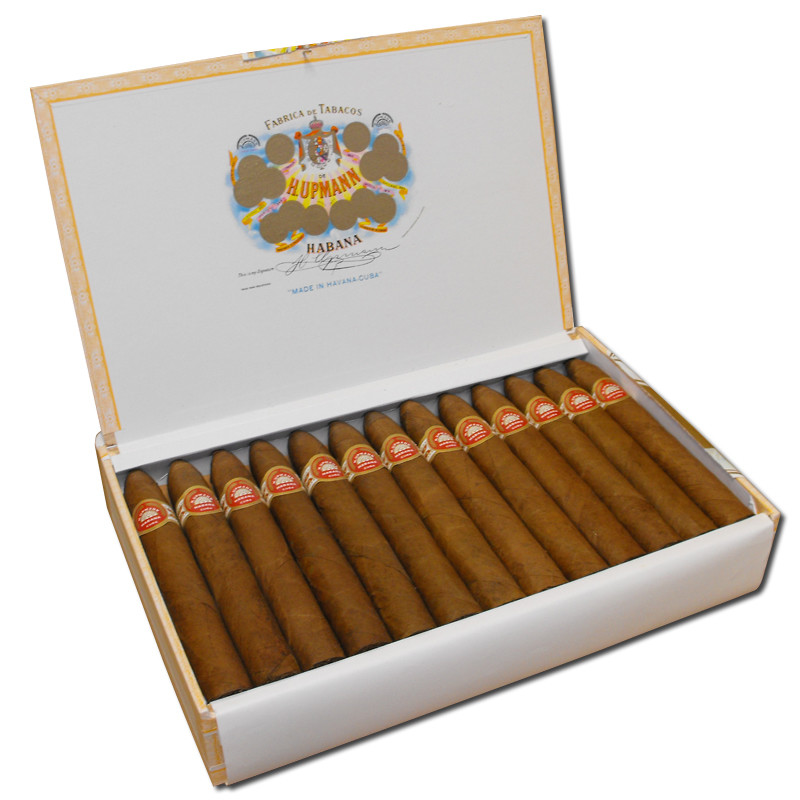
Cuban torpedo lovers face a choice between power and grace. Where the Montecristo No. 2 leans muscular and the Diplomaticos No. 2 plays the patient game, the H. Upmann No. 2 chooses smoothness as its defining character. That distinction matters more than most smokers realize, because it fundamentally changes how you approach the cigar from the moment you pick it up.
The torpedo shape — technically a pirámide in Cuban cigar nomenclature — is not merely cosmetic. It alters the mechanics of smoking. The tapered head focuses smoke across a narrower channel, concentrating flavors on the palate in ways that a parejo simply cannot replicate. And when the blend behind that shape is built around silk and cream rather than brute strength, you get something rare: intensity without aggression.
This guide is not another standard review of the H. Upmann No. 2. There is already a thorough H. Upmann No. 2 review on this site covering the basics. Instead, this is about the torpedo experience itself — how to cut it, how to smoke it, what to expect from the tapered format, and why the Upmann blend rewards a slow, deliberate approach more than almost any other Cuban torpedo on the market.
The Torpedo Format: Why Shape Changes Everything
Before diving into flavor, it helps to understand what a torpedo actually does to a cigar. The tapered head creates a natural restriction point. Unlike a straight-cut parejo where smoke flows freely through a wide opening, the torpedo funnels smoke through a smaller aperture. This concentrates the oils and volatile compounds onto a tighter area of your tongue, amplifying subtlety.
For a cigar like the H. Upmann No. 2, which thrives on nuance rather than volume, this matters enormously. Flavors that might register as faint background notes in a robusto format become front-and-center statements in the torpedo. The almond sweetness that H. Upmann is known for? In this shape, it arrives with unmistakable clarity from the very first puff.
The tapered head also gives you control over the draw. Cut less, and you get a tighter pull that concentrates flavor further. Cut more generously, and the cigar opens up, delivering a cooler and broader smoke. This adjustability is one reason torpedo aficionados keep returning to the format — it puts the smoker in charge of the experience in a way that other vitolas do not.
Cigar Specifications
| Vitola | Pirámide (Torpedo) |
| Length | 6.1 inches (156 mm) |
| Ring Gauge | 52 |
| Strength | Medium |
| Wrapper Origin | Vuelta Abajo, Cuba |
| Smoking Time | 75–100 minutes |
| Factory Name | Pirámides |
Cutting the Torpedo: Technique Matters Here
Getting the cut right on a torpedo is the single most important step before you light up. Cut too little and you will struggle to draw air through the cigar. Cut too much and you lose the very concentration effect that makes the shape worthwhile.
The sweet spot sits roughly 3 to 4 millimeters from the tip. Use a sharp guillotine cutter and make a single, decisive cut. Hesitation leads to cracking, and a cracked torpedo cap will unravel as you smoke. Some experienced smokers prefer a punch cut on torpedos, but this can be tricky with the tapered head — you need a smaller punch than you would use on a parejo.
There is a third option that torpedo purists swear by: the V-cut. A V-cutter slices a wedge into the cap without removing the taper entirely. On the H. Upmann No. 2 specifically, this tends to produce the best balance between draw resistance and flavor concentration. The wedge channel directs smoke downward onto the center of the tongue, right where those creamy, almond-toned flavors register most vividly.
The Smoothness Factor: First Third
Light the foot evenly — take your time toasting the edges before bringing flame to the center — and the first draws through the torpedo head deliver something that immediately sets this cigar apart from its Cuban torpedo peers. There is no pepper blast. No leather punch. No earthy wallop demanding your attention.
Instead, the opening is defined by a gentle wave of cream. Not the heavy cream of a Bolivar, but something lighter — closer to the foam on a well-pulled cappuccino. Behind that sits a delicate floral quality, almost like dried jasmine, that floats through the retrohale without stinging. And underneath it all, the signature H. Upmann almond sweetness anchors everything in place.
The draw through the tapered head amplifies these notes beautifully. Because the smoke is focused rather than diffused, each puff arrives with clarity. You taste individual components rather than a blurred average. This is precisely why the torpedo shape and the Upmann blend work so well together — the format serves the subtlety of the tobacco rather than masking it.
Building Complexity: The Middle Third
Around the halfway point, the cigar begins to shift. The cream remains, but a woody backbone emerges — primarily Spanish cedar, with a faint hint of sandalwood underneath. The floral quality that characterized the opening fades gradually, replaced by a toasty warmth that recalls lightly browned bread.
This is where the torpedo shape starts to earn its keep in a different way. As the cigar burns down and the ring gauge naturally widens behind the taper, the smoke volume increases. Flavors that were precise and focused in the first third now spread across the palate. The almond note broadens into something nuttier and deeper — closer to roasted cashew. A whisper of white pepper appears on the retrohale, though it never becomes aggressive.
Construction during the middle third tends to be excellent. H. Upmann’s rollers handle the pirámide format with confidence, and the burn line tracks evenly without requiring constant touch-ups. The ash holds in a firm, pale gray column — often reaching an inch and a half before dropping.
The Final Act: Last Third Rewards Patience
Push through to the final third and the H. Upmann No. 2 reveals its parting gift. The cedar presence deepens, taking on an almost resinous quality. A faint bitterness — the good kind, like dark chocolate at 75% cacao — weaves through the cream. The smoke output is thicker now, fuller in body but never straying beyond medium.
Smokers who rush this section will miss the best part. Slow down to one puff per minute and let the cigar cool between draws. When you do, a honeyed sweetness occasionally surfaces — brief and elusive, like catching a familiar scent on a breeze. It does not appear in every cigar, but when it does, it elevates the entire smoking session.
The nub remains smooth until the very end. No harshness, no ammonia, no sudden spike in nicotine. The H. Upmann No. 2 finishes the way it started: with composure and grace.
Pairing the Torpedo Experience
The smoothness of this cigar opens up pairing possibilities that heavier Cuban torpedos cannot match. Aged rum is an obvious partner — something like a 12-year Diplomatico or Ron Zacapa 23 complements the cream and almond notes without overpowering them. Avoid cask-strength spirits; the cigar’s delicacy gets buried.
Coffee works exceptionally well, but lean toward a medium roast rather than a dark espresso. A pour-over with Ethiopian beans — bright and fruity — creates a beautiful contrast with the cigar’s cedar and toast notes. The acidity of the coffee cuts through the cream, keeping the palate refreshed between puffs.
For something unexpected, try it with a Sauternes or late-harvest Riesling. The residual sugar in these wines mirrors the almond sweetness of the cigar, while their acidity prevents the pairing from becoming cloying. It sounds unconventional, but the match works remarkably well on a warm evening.
How It Compares to Other Cuban Torpedos
Stacking the H. Upmann No. 2 against its torpedo siblings clarifies its identity. The Montecristo No. 2 delivers more intensity — richer earth tones, heavier cocoa, a more assertive pepper profile. It is a torpedo for people who want to feel the cigar’s presence from start to finish. The Diplomaticos No. 2 falls somewhere between the two: smoother than the Montecristo but with a grassier, more rustic edge than the Upmann.
The H. Upmann No. 2 occupies the refined end of that spectrum. It is the torpedo you reach for when the evening calls for contemplation rather than celebration. When conversation flows quietly and time moves slowly. When you want a cigar that rewards attention rather than demanding it.
That positioning makes it a perfect entry point for smokers new to the torpedo format. The smoothness removes the intimidation factor, and the forgiving draw (even with a slightly imperfect cut) means beginners can enjoy the shape without mastering it first.
Aging Potential and Storage Notes
Fresh, the H. Upmann No. 2 is already polished. But three to five years of aging at 65% humidity and 65-68 degrees Fahrenheit takes it to another level. The floral notes become more pronounced, the cream develops a buttery richness, and the almond sweetness deepens into marzipan territory.
Longer aging — seven years or more — tends to emphasize the woody aspects at the expense of some of the lighter top notes. Whether that trade-off appeals to you is a matter of personal preference. Many seasoned smokers find the sweet spot at around four years, where the blend reaches full integration without losing its characteristic lightness.
Store torpedos with extra care. The tapered head is more vulnerable to humidity fluctuations than a flat cap, and cracks in the tip can ruin an otherwise perfectly aged cigar. Keep them in the middle of your humidor where conditions are most stable, and avoid stacking heavy cigars on top of them.
Experience the Smoothest Cuban Torpedo
You Might Also Enjoy
- H. Upmann No. 2 Review — Full tasting notes and scoring
- Montecristo No. 2 Review — The bold torpedo alternative
- Diplomaticos No. 2 — Another Cuban torpedo worth exploring
As a pipe smoker who transitioned to cigars about three years ago, the torpedo shape was what finally pulled me over. There’s something about how the tapered head concentrates the smoke — reminds me of the way a good bent billiard funnels flavor. I’ve been going back and forth in the best Cuban torpedo cigar debate and honestly the H. Upmann No. 2 keeps winning me over. The Bolivar Belicosos Finos hits harder, sure, but the Upmann has this cedar and almond thing going on in the first third that I just can’t get from anything else. For anyone doing a proper Cuban torpedo comparison, my ranking would be: Upmann No. 2 for finesse, Montecristo No. 2 for power, Bolivar for when you want to get punched in the mouth (in a good way). The Upmann rewards patience more than the other two.
The Upmann No. 2 was my introduction to Cuban torpedos going on 15 years now. Smoked my first one in Ramstein after a buddy brought a box back from leave in Madrid. Still my go-to when I want something refined but not boring. Peter’s right about the H Upmann No 2 vs Montecristo No 2 thing — they’re completely different animals. The Monte is peppery and aggressive right out of the gate. The Upmann takes its time. I’ve always said H. Upmann might be the smoothest Cuban cigar brand in the entire Habanos lineup and nobody’s convinced me otherwise. Even their Magnum line stays on the mellow side compared to what Partagas or Bolivar puts out. If you want to actually taste the tobacco instead of just feeling the nicotine, start here.
Great comments guys. Quick question though — how to cut a torpedo cigar properly? I just got my first box of these and I’ve heard totally different opinions online. Some people say straight cut only, others swear by V-cut for torpedos. I tried a punch on my first one (I know, I know) and the draw was basically nonexistent. Don’t want to waste another one. Also William — is H. Upmann really that smooth across the whole range? I’ve only had the Half Corona and the Royal Robusto before this. The torpedo shape is new territory for me.
Alex — straight cut, but only take off the very tip. About 3-4mm max. Opens the draw perfectly without destroying the taper that makes a torpedo special. The whole point of that shape is flavor concentration and you lose it if you hack off too much. Never punch a torpedo, you already figured that out the hard way. V-cut can work but honestly a clean straight cut with a sharp guillotine is all you need. As for the brand question — yes, across the entire H Upmann cigar range, they stay consistently on the smooth side. The Connoisseur A might be the only one that gets into medium-full territory. Everything else is solidly medium or below. That’s why I keep going back. Not every cigar needs to knock you on your rear end.
Interesting discussion. In Spain the H Upmann No 2 vs Montecristo No 2 debate is practically a religion — people take sides like football teams ha. Most Spanish smokers lean Montecristo because that’s what the estancos always have in stock and it’s what your father smoked. But I have to admit the Upmann is the smoother cigar by a wide margin. I brought a box of each to a tasting in Barcelona last autumn and the room was split almost 50/50, but the people who chose the Upmann were the ones with more experience. It’s a more nuanced smoke. The Montecristo hits you over the head with pepper and espresso right away. The Upmann makes you work for it — honey, toasted bread, almonds coming and going. For anyone doing a serious Cuban torpedo comparison I’d say smoke them back to back on different days with the same drink pairing. That’s the only fair way to judge.