
Blog
Bolívar Belicosos Finos – Bold Cuban Cigar Experience
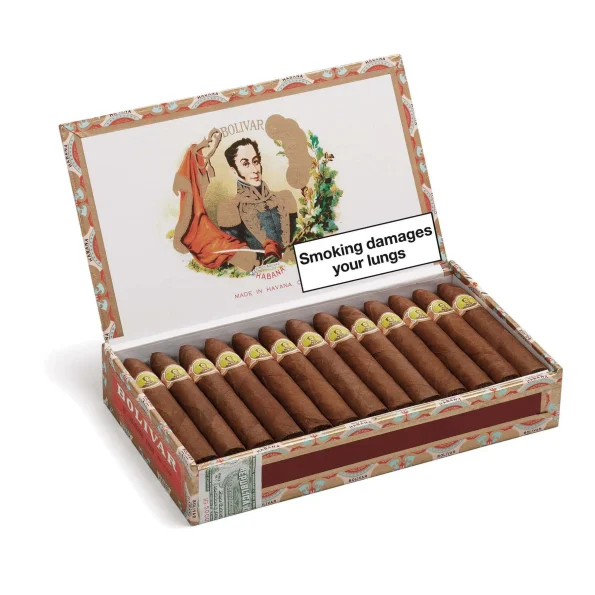
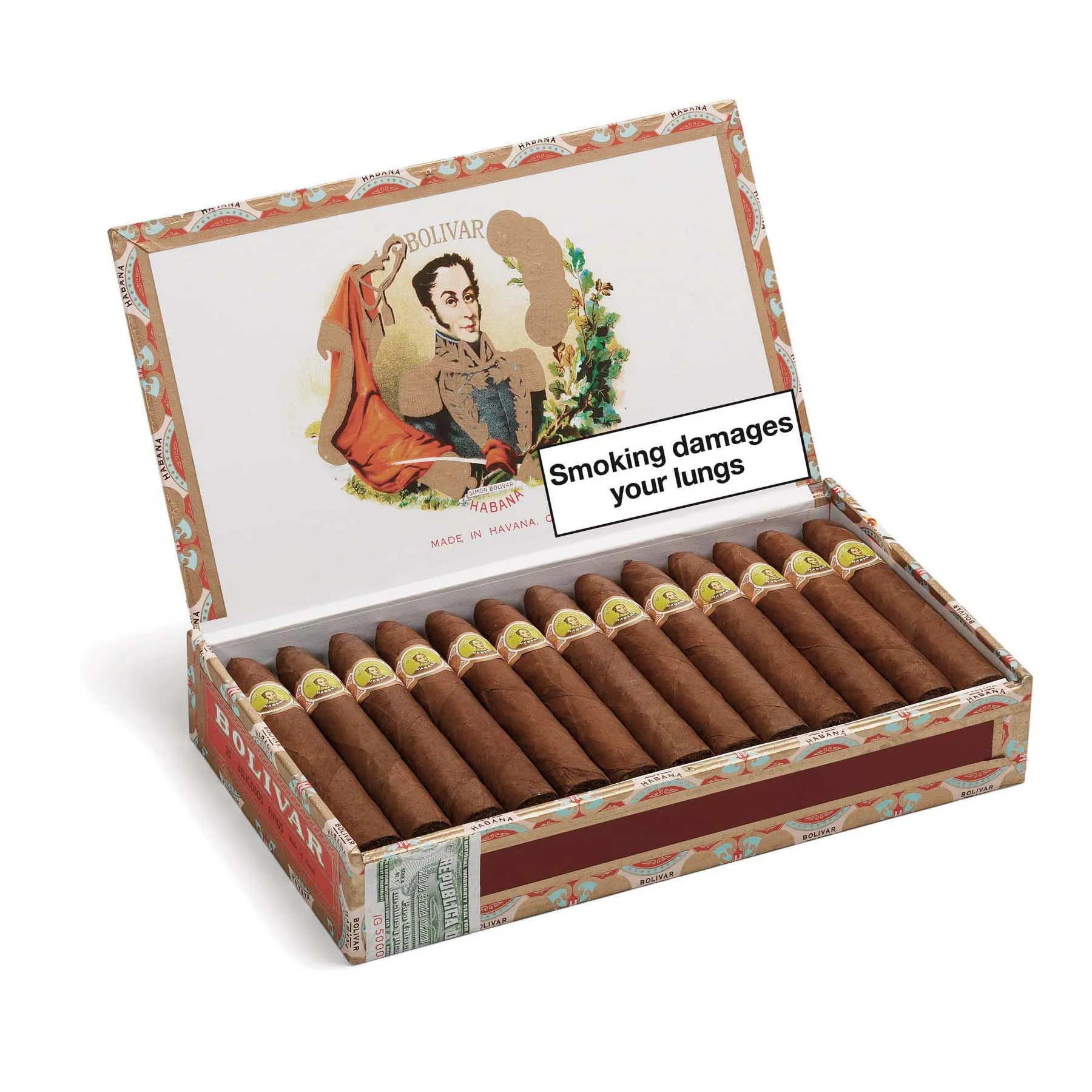
Pepper hits the palate before the flame fully touches the foot. Dark earth follows immediately. This is the Bolivar Belicosos Finos — no gentle introduction, no warm-up period. The smoke arrives dense and assertive from the very first draw, fills the mouth with a gritty, mineral-laced intensity, and announces its intentions without ambiguity. You either welcome that kind of entrance or you step back. There is no middle ground with this cigar.
What follows is not a traditional review. If you want tasting scores and numbered ratings, our Bolivar Belicosos Finos review covers that ground thoroughly. This is an experience guide — a detailed walkthrough of what happens when you commit to one of Cuba’s most uncompromising smokes, written specifically for people who chase strength and aren’t afraid of a cigar that pushes back.
Before You Light: Setting Up for Success
Smoking a full-bodied Bolivar on an empty stomach is a mistake I watched a friend make at a cigar lounge in Barcelona. Forty-five minutes in, his face went grey and the cigar went into the ashtray unfinished. The nicotine content in the Belicosos Finos is substantial, and your body needs a foundation to absorb it without revolt.
Eat something with protein and fat roughly an hour before lighting up. A steak, a good burger, pasta with a rich sauce — something that sits in your stomach and processes slowly. Carbohydrates alone will not provide enough buffer. The combination of protein and fat creates a sustained energy base that helps your body metabolize nicotine more efficiently. This is not amateur speculation; experienced cigar smokers across Havana and Geneva follow this practice instinctively.
Hydration matters equally. Have water at hand throughout the smoke. Not seltzer, not soda — still water. Carbonation can amplify the sensation of nicotine on an agitated stomach. Sip between draws, especially during the second half when strength ramps up. A sugar packet in your pocket serves as emergency backup — dissolving sugar under the tongue can counteract nicotine-induced nausea within minutes.
Technical Specs at a Glance
| Shape | Belicoso (Campana) |
| Dimensions | 5.5″ x 52 ring gauge |
| Body | Full |
| Strength Rating | Strong — one of Cuba’s heaviest hitters |
| Wrapper | Cuban Habano, dark Colorado |
| Duration | 55–70 minutes |
The Cut and the Cold Draw
The tapered belicoso head requires a careful cut. Take too little off the tip and you will fight a restricted draw for the entire smoke. Take too much and the wrapper may unravel, especially if humidity is on the higher side. The target is roughly 3-4 millimeters below the cap shoulder — enough to open the draw without compromising the wrapper’s structural integrity.
Use a sharp guillotine or a dedicated V-cutter. Punch cuts do not work well on tapered vitolas; the geometry is wrong and the resulting draw channel is too narrow for a cigar this full.
The cold draw tells you everything about the next hour. Pre-light, the Belicosos Finos delivers raw cocoa, barnyard hay, and a distinct metallic tang that many interpret as minerals from the Vuelta Abajo soil. If the draw feels very tight — like sucking a milkshake through a thin straw — consider using a draw tool or a thin wooden skewer to create a small channel through the filler. A restricted draw on a full-bodied cigar leads to overheating, tar buildup, and an unpleasant experience that has nothing to do with the blend’s actual profile.
Phase One: The Opening Assault
Toast the foot evenly. The tapered head means the lit end starts wide, so rotate the cigar as you light to ensure the entire circumference ignites uniformly. An uneven light on a Bolivar will produce a sharp, acrid taste in the first several draws that can take half an inch to correct.
Once lit properly, the opening draws deliver everything simultaneously. Black pepper — not the gentle white pepper of a Montecristo, but aggressive, ground black peppercorn that prickles the tongue and dominates the retrohale. Earth that tastes like wet clay after rain. Coffee grounds, bitter and unfiltered. There is a rugged beauty to it, but beauty is not the first word most people reach for during these initial puffs.
The retrohale in this opening phase deserves specific discussion. Pushing smoke through the nasal passage amplifies the Bolivar’s pepper to a degree that can be genuinely uncomfortable for people unaccustomed to strong cigars. Try a partial retrohale first — exhale most of the smoke through the mouth and allow only a thin stream to pass through the nose. This gives you the aromatic information without the full spice impact. As you acclimate through the first third, you can increase the proportion of smoke you retrohale.
Phase Two: Where Depth Replaces Aggression
Somewhere around the second inch, a shift occurs. The raw pepper recedes — not disappearing entirely, but stepping back to allow other flavors room to speak. Dark chocolate emerges first, dense and unsweetened, like a bar of 85% cacao broken and melting on the tongue. Coffee transforms from harsh grounds into something closer to a pulled ristretto — concentrated, bittersweet, and syrupy in texture.
This middle section is where experienced Bolivar smokers spend most of their attention. The smoke has thickened to maximum density. Each draw coats the entire palate, lingering for several seconds after exhale. A leather quality develops that was buried under pepper in the first third — not the polished leather of luxury goods, but something rawer and more elemental. Think worn saddle leather or the interior of a very old tobacco shop.
Nicotine delivery climbs steadily here. Your body will tell you. A slight head buzz, a warmth in the chest, perhaps a sensation of pleasant heaviness in the limbs. These are normal responses to a strong Cuban cigar and nothing to worry about if you have eaten properly. If you start feeling lightheaded or nauseous, slow your smoking pace dramatically — one draw every 90 seconds to two minutes — and take several sips of water.
Phase Three: The Furnace
The final third of the Belicosos Finos is where the cigar earns its reputation as one of Cuba’s most powerful regular production smokes. Strength escalates meaningfully, and the flavor profile darkens like a photograph developing in reverse — everything becomes deeper, more saturated, more intense.
A tarry, almost resinous quality enters the smoke. Molasses sweetness competes with bitter espresso. The leather note from the middle third has dried and hardened. Cedar and charred wood join late, adding a campfire dimension that is unique to the Bolivar blend when pushed to its limits.
The point at which you stop smoking is personal. Some aficionados ride the Belicosos Finos down to the last inch, accepting the increasing heat and tar as part of the full experience. Others — myself included on most occasions — consider the cigar complete when the heat from the lit end begins to warm the fingers holding it. There is no shame in putting it down before the absolute end. The Bolivar has already given you everything it has to offer; the last centimeter adds intensity without adding new information.
Drink Pairings That Can Handle This Cigar
Delicate beverages have no place beside a Bolivar Belicosos Finos. The cigar will bulldoze a light beer or a subtle white wine without noticing it existed. You need drinks with enough weight and character to stand alongside the smoke rather than disappear beneath it.
Cask-strength bourbon — Booker’s, Stagg Jr., or Knob Creek Single Barrel — matches the Bolivar’s aggression head-on. The high proof cuts through the smoke’s oiliness while the corn sweetness counterbalances the cigar’s earthy bitterness.
Islay Scotch (Laphroaig 10, Ardbeg Uigeadail) shares the Bolivar’s love of smoke and peat. This is a pairing for people who enjoy intensity without apology. The combined effect is enormous — rich, smoky, peaty, peppery — and absolutely not for the faint of heart.
Double espresso — specifically a lungo or Americano made from dark-roasted beans — creates a mirror effect. Coffee amplifies the cigar’s coffee notes, creating a feedback loop of roasted, bittersweet flavor that is deeply satisfying for those wired to appreciate it.
Honestly, Who Should Avoid This Cigar
Transparency matters more than salesmanship. The Bolivar Belicosos Finos is wrong for several categories of smoker, and there is no benefit in pretending otherwise.
If you are new to cigars — within your first year or two of regular smoking — this cigar will likely punish rather than please you. Start with a Hoyo de Monterrey Epicure No. 2 or a Montecristo No. 4 and build your tolerance gradually. The Bolivar will still be waiting when you are ready.
If you dislike pepper in cigars, the Belicosos Finos will not change your mind. Pepper is structural to this blend, not incidental. You cannot wait for it to pass because it never fully leaves.
If you typically enjoy mild-to-medium cigars and are curious about full-bodied options, the Bolivar is a deep-end jump. Consider a Partagas Serie D No. 4 or a Ramon Allones Specially Selected as intermediate steps. Both deliver full flavor with somewhat less nicotine impact.
And Who Will Love Every Minute
Strength chasers. People who finished a Partagas Lusitania and wanted more. Smokers who gravitate toward Perique pipe tobacco, dark-roasted coffee, and Islay whisky. If your palate has been calibrated by years of full-bodied smoking and you actively seek cigars that challenge rather than comfort, the Bolivar Belicosos Finos is your territory.
It is also, paradoxically, a cigar that aging enthusiasts should stockpile. Three to five years of rest transforms the Belicosos Finos dramatically — the pepper integrates, the chocolate sweetens, and the overall delivery softens from aggressive to authoritative. Buying a full cabinet and aging half while smoking the other half fresh is a strategy that rewards you twice — once with raw power, and again with refined complexity.
Ready for the Challenge?
Further Exploration
- Bolivar Belicosos Finos – Traditional Review & Rating
- Ranking the Best Cuban Robusto Cigars
- Bolivar Belicosos Finos – Cabinet of 25
Everyone always says Bolivar is the strongest Cuban cigar brand and I used to agree, but honestly? I think Partagas Serie D No. 4 hits harder in the first third than any Bolivar I’ve smoked. The Belicosos has more complexity for sure, but raw nicotine strength? Partagas wins that fight in my book. Don’t get me wrong — the full body Cuban cigar experience you get with a Bolivar is incredible. That Cuban cigar pepper flavor in the opening is like nothing else. But “strongest” is doing a lot of heavy lifting as a word. Strongest flavor? Strongest nicotine? Strongest overall impact? I think the Bolivar vs Partagas strength debate depends entirely on which metric you’re measuring.
George makes a fair point but I’ll push back a little. The reason Bolivar has the reputation as the strongest Cuban cigar brand goes beyond just nicotine. It’s the sustained intensity across the entire smoke. Partagas hits you hard upfront then mellows. Bolivar starts strong and STAYS strong, sometimes even building. That’s what separates it. For anyone wondering how to smoke strong cigars like this without getting sick — eat a full meal first. Seriously. A heavy pasta, steak, whatever fills you up. I always have an espresso and some dark chocolate alongside. The sugar helps if the nicotine gets to you. Also, slow down. Puff every 60-90 seconds, not every 30. You’ll extract more flavor and less harshness. The Belicosos tapered foot means the first few puffs are concentrated — don’t panic if it’s intense, it opens up as the ring gauge widens.
I’ll be honest — I was terrified of Bolivar when I first started. Everything I read online said it was this monster cigar that would make beginners sick. Took me two years before I tried one and you know what? Yes, it’s strong. But it’s also beautiful. The pepper and earth and dark coffee flavors are SO rich. My tip for first-time Bolivar smokers: start with the Petit Coronas, not the Belicosos. Smaller ring gauge, shorter smoke, gives you a taste of the blend without the full 90-minute commitment. Once you know you can handle it, graduate to the Belicosos Finos. That’s how I did it and I’m glad I didn’t jump straight into the deep end. Now it’s one of my top 3 go-to cigars. Proof that “strong” doesn’t mean “not for women” — it means “not for the unprepared.”
Let me settle the Bolivar vs Partagas strength debate with some actual data. I’ve logged over 400 Cuban cigars in my tasting journal with strength ratings from 1-10. My averages across multiple sticks:
Bolivar Belicosos Finos: 8.4/10 strength
Partagas Serie D No.4: 7.9/10 strength
Partagas Lusitanias: 8.7/10 strength
Bolivar Royal Coronas: 7.8/10 strength
So it depends on the vitola. The Lusitanias is actually the strongest regular production Cuban in my data. But the Belicosos Finos beats the Serie D. What makes Bolivar special isn’t just the strength — it’s the flavor density. At 52 ring gauge with the belicoso taper, you’re getting an incredibly concentrated smoke. The pepper flavor everyone talks about is really more of a black pepper and earth combination that coats your palate. Nothing else in the Cuban lineup does exactly that. Both brands use Vuelta Abajo tobacco but the Bolivar blend skews toward the stronger priming leaves.