
Cigar Reviews
H. Upmann Magnum 54 – Refined Cuban Elegance
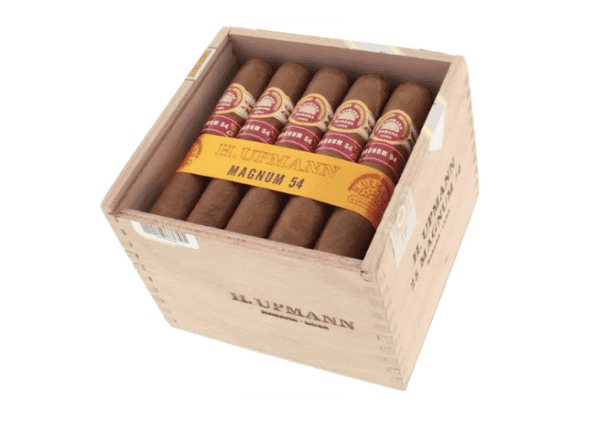
If you’ve been searching for a Cuban cigar that combines a generous ring gauge with genuine sophistication — not just raw power — your search may be over. The H. Upmann Magnum 54 belongs to a relatively recent generation of Habanos that embraced the bigger ring gauge trend without abandoning the elegance that defines the H. Upmann marca. And in a market flooded with thick cigars that mistake size for substance, that restraint deserves recognition.
Let me be direct with you: big ring gauge Cuban cigars have a mixed reputation among purists. The argument goes that traditional Cuban vitolas — coronas, lonsdales, petit coronas — represent the pinnacle of Cuban blending, and that wider formats exist mainly to appeal to New World smokers accustomed to 60-ring monsters. There is some truth to that critique. But the Magnum 54 is one of the cigars that weakens the argument, because it genuinely brings something worthwhile to the table.
Here is what makes this cigar worth your time and your money.
What Sets the Magnum 54 Apart
The H. Upmann line already includes two other “Magnum” releases: the Magnum 46 and the Magnum 50. Each pushed the ring gauge a little further while maintaining the house character. The Magnum 54 completes that progression, and it does so with more composure than you might expect from a cigar this wide.
At 5.6 inches with a 54 ring gauge, this sits in robusto extra territory. The dimensions give the rollers at the H. Upmann factory room to work with a broader selection of filler leaves, and you can taste the result. There is a depth to the Magnum 54 that the slimmer Magnums hint at but never fully deliver. More tobacco means more layers, and the blend takes full advantage of that real estate.
But the real achievement here is balance. A 54 ring gauge can easily tip a medium-bodied blend into heavier territory simply through volume of smoke. The blenders avoided that trap. The Magnum 54 stays true to the H. Upmann profile — smooth, refined, with that characteristic cedar-and-cream backbone — while adding just enough weight to feel substantial without becoming ponderous.
Specifications at a Glance
| Brand | H. Upmann |
| Vitola | Robusto Extra |
| Dimensions | 5.6″ x 54 |
| Body | Medium to Medium-Full |
| Origin | Cuba (Vuelta Abajo) |
| Typical Smoke Time | 65–85 minutes |
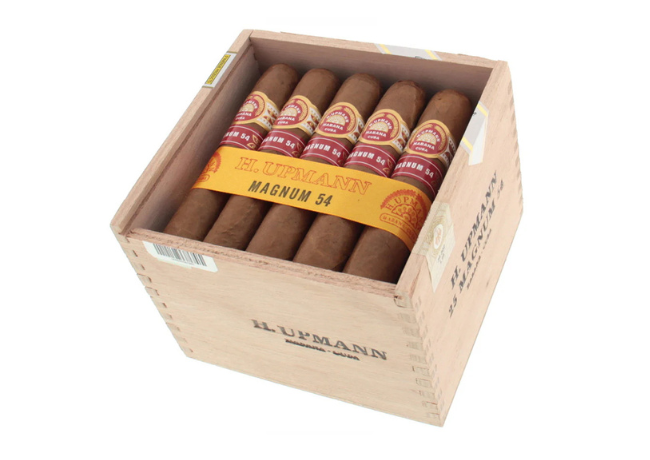
| Box Format | 25 cigars, Semi Boite Nature |
Construction and First Impressions
Pick up a Magnum 54 and the first thing you notice is the weight. It feels dense and well-packed, with a slight give when you press gently — a sign that the bunch was rolled with care, neither too tight nor too loose. The wrapper leaf is a warm, oily Colorado shade, smooth to the touch with minimal veining. Visually, it presents well.
The pre-light draw offers a clean taste of sweetened hay and a faint nuttiness. No resistance issues. The wider gauge means a generous opening for air, and the draw on every example I have smoked has been effortless. Lighting is straightforward — the broad foot catches flame easily, and the initial clouds of smoke are cool and abundant from the start.
You should know that construction consistency has been a strong point for this cigar since its release. Unlike some newer Cuban vitolas that went through rough early production runs, the Magnum 54 arrived polished. Burn lines tend to track straight, and the ash builds in a tight, light gray column that holds well past the one-inch mark.
Tasting Notes: What You’ll Actually Taste
Opening Draws Through the First Inch
The Magnum 54 greets you with toasted bread and a gentle cedar aroma that rises through the nose on the retrohale. There is sweetness here too — not sugary, more like honey stirred into warm milk. A faint mineral quality sits underneath, almost chalky, giving the smoke a dry backbone that prevents the sweetness from becoming one-dimensional.
Right from the start, you can feel the extra ring gauge at work. The volume of smoke is generous, coating the palate rather than just passing over it. And yet nothing feels heavy. The medium body holds steady, delivering flavor without force.
Development Through the Middle Section
Around the midpoint, things get interesting. The cedar note strengthens and picks up a resinous edge — not quite pine, but heading in that aromatic direction. A distinct creaminess develops, richer and more textured than the opening. Toasted almonds appear alongside it, creating a combination that screams “H. Upmann” to anyone familiar with the marca.
Here is where the Magnum 54 distinguishes itself from the Magnum 46. The 46, while excellent, stays relatively linear through its middle. The 54 shifts gears. A gentle spice — white pepper, maybe a touch of cinnamon — weaves through the cream and cedar. It is not aggressive. Think of it as seasoning rather than heat. But it adds a layer of complexity that keeps the smoke from becoming predictable.
I want to point something out about the smoke output here. At the midpoint of a 54 ring gauge cigar, you are producing serious clouds. If you are smoking indoors or in an enclosed space, be prepared. This is not a discreet smoke. But outdoors, on a patio or terrace, that abundant output becomes part of the pleasure — the aroma fills the air around you.
The Closing Stretch
The final portion deepens everything. Toast becomes more pronounced, leaning toward a dark rye character. The sweetness retreats slightly, replaced by a cocoa note that has been building quietly since the second third. A leathery quality emerges — soft leather, not harsh — giving the finish a satisfying weight without pushing past medium-full territory.
The cigar remains cool and smooth right to the nub. No bitterness, no sharp edges. It closes with a lingering aftertaste of cedar, roasted nuts, and a whisper of dark chocolate that stays on the palate for several minutes after you set it down.
Who Should Smoke This Cigar
If you gravitate toward the H. Upmann profile but wish the Magnum 46 had a bit more heft, the 54 is your cigar. It gives you that extra dimension without sacrificing the smoothness and refinement the marca is built on.
It also works beautifully as a transitional cigar for smokers moving from New World blends into the Cuban world. The wider ring gauge feels familiar if you’re used to Nicaraguan or Dominican robustos, and the medium body means you won’t be overwhelmed by the Cuban flavor profile on your first encounter.
Experienced Cuban cigar smokers who have dismissed bigger ring gauges should give this one a fair shot. It may change your mind about what a wider format can accomplish when the blend is handled with care.
Drink Pairings Worth Trying
The Magnum 54’s broader flavor canvas opens up some excellent pairing opportunities. An aged Cognac — VSOP or above — matches the cigar’s toast and cream notes stride for stride. The warmth of the spirit draws out the cedar and nut flavors beautifully.
For coffee drinkers, go with a medium-bodied Colombian or Guatemalan bean, brewed as a flat white or cortado. The milk tempers the coffee’s acidity and mirrors the cigar’s creaminess. Straight espresso works too, but it can overshadow the more delicate notes in the opening third.
On the adventurous side, a barrel-aged stout or a Belgian dubbel creates a memorable combination. The malt sweetness and dark fruit of these beers complement the cigar’s later development — the cocoa and leather notes especially — without creating flavor competition.
How It Ages
Fresh production is already refined, but patience pays off. Two to three years of resting time at proper humidity (62-67% relative humidity) allows the blend to integrate fully. The spice notes mellow, the cream deepens to something almost buttery, and the cedar acquires a warmth that feels lived-in rather than sharp.
Longer aging is possible and rewarding, but beyond five years, you start losing some of the brighter top notes that make the fresh cigar appealing. My recommendation: buy a box, smoke a few now to establish your baseline, then revisit every six months and note how the profile evolves. You will find your personal sweet spot somewhere in that timeline.
Comparing the Magnum Family
For context, here is how the three Magnum vitolas differ. The Magnum 46 is the most traditional — a classic Cuban format with the H. Upmann blend delivering clean cedar and light sweetness. The Magnum 50 adds volume and slightly more complexity but stays firmly in medium territory. The Magnum 54 is the most layered of the three, with the widest flavor range and the most development from start to finish.
None replaces the others. They serve different moods. The 46 is your weekday cigar, the one you reach for without deliberation. The 50 covers the middle ground. The 54 is for evenings when you have time to pay attention, when you want the cigar to take you somewhere rather than simply accompany you.
Sophistication in a Wider Format
You Might Also Enjoy
- H. Upmann No. 2 Review — The torpedo side of the marca
- Best Cuban Robustos — Our picks for wider ring gauge excellence
- H. Upmann No. 2 — A different vitola, same refined character
Been smoking the Magnum 46 for years and finally pulled the trigger on the 54. The H Upmann Magnum 54 vs Magnum 46 debate is real and I think it comes down to what kind of smoking session you want. The 46 is tighter, more focused — you get that classic Upmann cedar and cream in a neat little package. The 54 opens everything up. The wider 54 ring gauge Cuban cigar format gives the filler blend more room to breathe and I’m picking up flavors I never got from the 46. More sweetness, more nuttiness, and a creamier finish. Downside? It burns a bit uneven if you’re not paying attention to your rotation. For a lazy Sunday afternoon though? The 54 wins.
Nick makes a good point about the ring gauge. From my experience analyzing different formats (old pipe habits die hard), the H Upmann Magnum line comparison shows a clear trend — Habanos S.A. has been pushing H. Upmann toward bigger ring gauges for a while now. The Magnum 46 was considered large when it came out. Now we have the 54 and the 56 (Connoisseur B). The physics of it are straightforward: wider ring gauge means more filler tobacco relative to wrapper, which shifts the flavor balance. You get less of that oily wrapper sweetness and more of the complex filler blend. Whether that’s better is subjective. Personally I find the 54 to be the sweet spot in the H Upmann cigar range — wide enough to showcase the blend without becoming a two-hour commitment.
Just picked one of these up last weekend and smoked it on my patio around 3pm with a cortado. Might be the best afternoon Cuban cigar I’ve had in a long time. The strength stays right in that medium zone where you can actually enjoy it without needing a meal in your stomach first. Two hours of pure relaxation. I’m relatively new to the bigger ring gauges — most of my experience is with coronas and robustos — but I see why people are gravitating toward these larger formats. The smoke volume alone is different, you get these big pillowy clouds that just hang in the air. Flavor wise it’s unmistakably H. Upmann: smooth, creamy, with that trademark nuttiness. Going to grab a few more before the prices inevitably go up again.
The thing nobody mentions about the H Upmann Magnum 54 vs Magnum 46 is age. I’ve had both with 3+ years of rest and the 54 ages better in my opinion. The extra tobacco gives it more complexity to develop over time. Fresh out of the box? Honestly the 46 might be more consistent. But put the 54 away for a couple years and it transforms into something special — dried fruit, honey, leather, all layered on top of each other. Regarding the best afternoon Cuban cigar conversation, the Magnum 54 with an aged rum is hard to beat. Something like a Ron Santiago 12 or a Diplomatico. The sweetness of the rum plays off the nuttiness of the cigar perfectly. Don’t overthink it — just light it up and enjoy.