
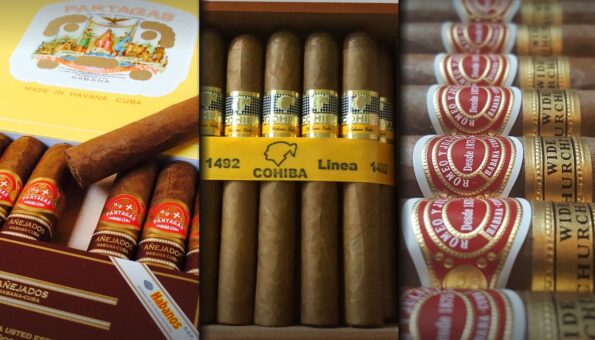
Cuba produces some of the most sought-after cigars on the planet, and behind every box stands a brand with its own history, flavor philosophy, and loyal following. From Cohiba’s diplomatic origins to Montecristo’s dominance in global sales, each of the 27 Cuban cigar brands under Habanos S.A. tells a different story.
This guide breaks down every active Habanos cigar brand — their history, flagship cigars, strength profiles, and what makes each one worth exploring. Whether you’re choosing your first Cuban cigar or filling a humidor, this is where to start.
How Cuban Cigars Are Made
Before diving into individual brands, it helps to understand what unites them. Every premium Cuban cigar is Totalmente a Mano, Tripa Larga — totally handmade with long filler tobacco. The process hasn’t fundamentally changed in centuries.
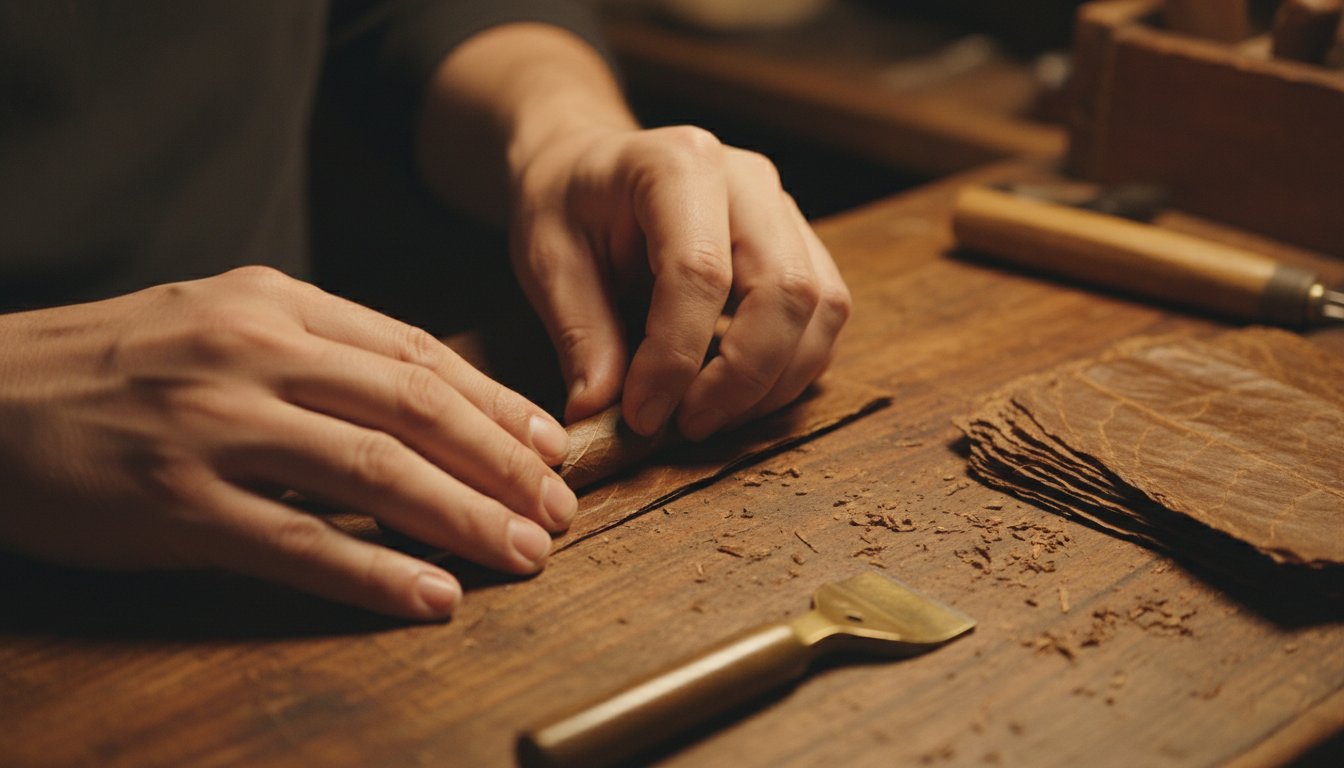
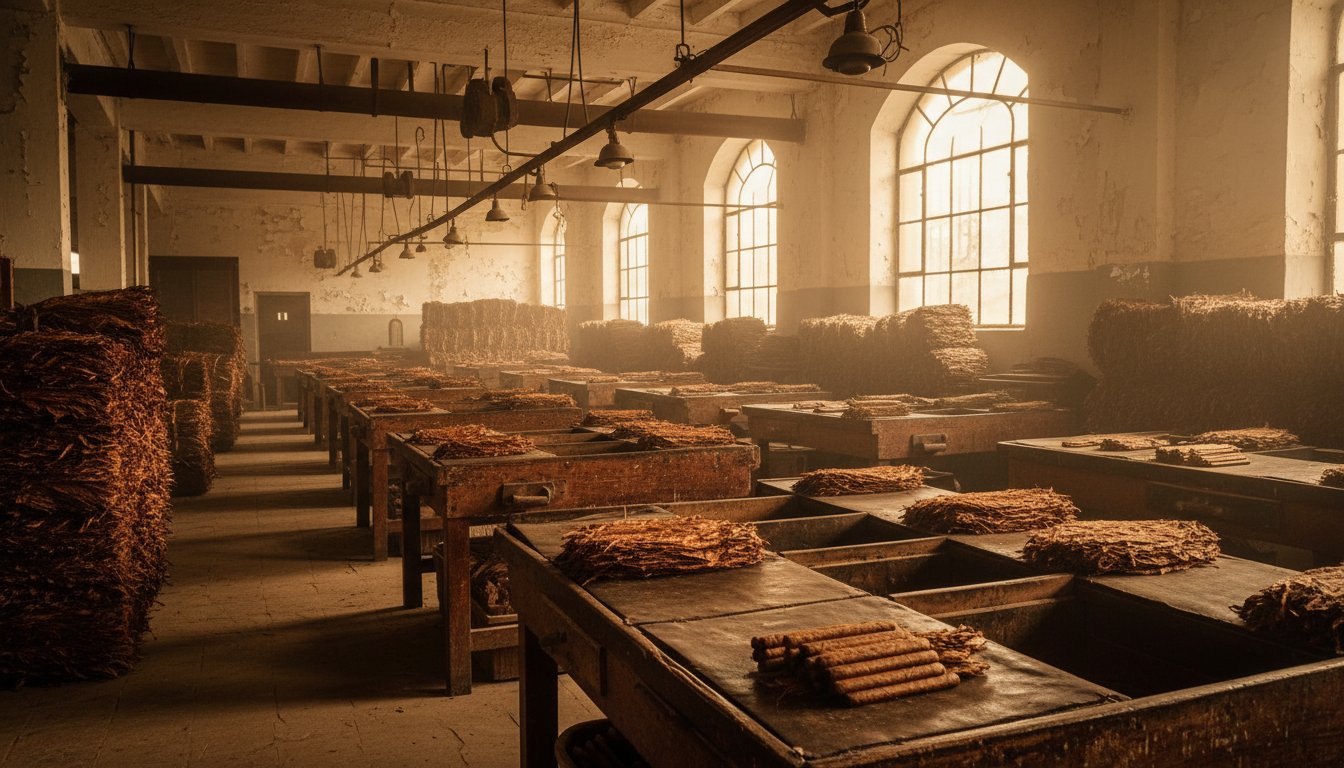
Tobacco is grown primarily in Cuba’s Pinar del Río province, particularly the legendary Vuelta Abajo region. After harvesting, leaves are aged and fermented in pilones for months before reaching the rolling tables at one of Cuba’s ~16 major factories. Skilled torcedores — who train for years as apprentices — hand-roll each cigar using a precise blend of volado (combustion), seco (flavor), and ligero (strength) leaves wrapped in an aged wrapper leaf.
The result is a product that carries the terroir of Cuban soil, the expertise of generations, and the identity of its brand.
The Major Cuban Cigar Brands (Global Brands)
Habanos S.A. classifies its top brands as “Global Brands” — these receive the largest production runs, widest distribution, and most marketing support. If you’ve smoked a Cuban cigar, it was likely from one of these.
Cohiba (Est. 1966)
Factory: El Laguito • Strength: Medium to Full
Cuba’s flagship luxury brand was originally created as a private blend for Fidel Castro and diplomatic gifts. Made public in 1982, Cohiba represents the pinnacle of Cuban cigar making. The Behike line, launched in 2010, introduced the rare medio tiempo leaf — a priming so scarce that only certain plants produce it. Flagship vitolas: Siglo VI, Robusto, Behike 56.
Montecristo (Est. 1935)
Factory: H. Upmann • Strength: Medium
The world’s best-selling Cuban cigar brand takes its name from Alexandre Dumas’ novel, which was read aloud to torcedores during rolling. Montecristo is the benchmark for balanced, nuanced Cuban flavor — cocoa, roasted coffee, and cedar with a creamy finish. Flagship vitolas: No. 2 (Torpedo), No. 4, Edmundo.
Partagás (Est. 1845)
Factory: Partagás • Strength: Full
One of Cuba’s oldest brands, Partagás is famous for bold, earthy cigars with pepper, leather, and spice. The iconic Partagás factory on Industria Street in Havana is a landmark of Cuban tobacco history. Flagship vitolas: Serie D No. 4, Lusitanias, Serie E No. 2.
Romeo y Julieta (Est. 1875)
Factory: Romeo y Julieta • Strength: Mild to Medium
Named after Shakespeare’s tragic lovers, this brand was famously the cigar of choice for Winston Churchill. Known for elegance and accessibility, Romeo y Julieta offers smooth, floral cigars perfect for newer smokers. Flagship vitolas: Short Churchill, Wide Churchill, Julieta.
H. Upmann (Est. 1843)
Factory: H. Upmann • Strength: Mild to Medium
Founded by German banker Herman Upmann who loved Cuban tobacco so much he opened his own factory, this brand was JFK’s personal favorite — the same cigars he stocked up before signing the embargo. Creamy, biscuity, and refined. Flagship vitolas: Magnum 50, Magnum 54, Half Corona.
Bolívar (Est. 1901)
Factory: Partagás • Strength: Medium-Full to Full
Named after Venezuelan liberator Simón Bolívar, this brand delivers some of Cuba’s most powerful cigars. Earth, dark chocolate, black pepper, and leather dominate. Not for the faint of heart. Flagship vitolas: Belicoso Fino, Royal Corona, Libertador.
Hoyo de Monterrey (Est. 1865)
Factory: Hoyo de Monterrey • Strength: Mild
One of the lightest Cuban brands, Hoyo de Monterrey produces elegant, creamy cigars with notes of vanilla, cedar, and white pepper. The perfect introduction to Cuban tobacco. Flagship vitolas: Epicure No. 2, Epicure Especial, Le Hoyo de San Juan.
Portfolio and Heritage Brands
Beyond the global powerhouses, Habanos maintains a portfolio of heritage brands — some dating back to the 1800s. These offer incredible value and distinct character that connoisseurs actively seek.
Trinidad (Est. 1969)
Strength: Medium • Originally reserved for Cuban diplomats, Trinidad remained exclusive until 1998. Silky, refined, with floral and cedar notes. Must-try: Fundadores, Vigia, La Trova.
Punch (Est. 1845)
Strength: Medium-Full • Named after the British puppet show character Mr. Punch, this brand offers hearty cigars with peanut, cedar, and spice notes. Must-try: Punch Punch, Double Corona.
Por Larrañaga (Est. 1834)
Strength: Mild-Medium • Cuba’s oldest continuously produced brand. Light caramel sweetness with subtle woodiness. Must-try: Petit Corona, Montecarlo.
Quai d’Orsay (Est. 1931)
Strength: Mild-Medium • Created for the French market (named after the Parisian boulevard where the French Foreign Ministry sits). Light, aromatic, with pine and ginger notes. Must-try: No. 50, No. 54.
Quintero (Est. 1924)
Strength: Medium • An affordable, everyday Cuban cigar brand popular in Cuba itself. Honest tobacco flavor without pretension. Must-try: Favoritos, Brevas.
Ramón Allones (Est. 1837)
Strength: Medium • The first brand to use colorful lithographic labels on cigar boxes. Fruit, caramel, and balanced spice. Must-try: Specially Selected, Small Club Corona.
Rafael González (Est. 1925)
Strength: Medium • An understated brand prized by those who know it. Delicate, floral, with a dry cedar finish. Must-try: Perlas, Petit Corona.
San Cristóbal de la Habana (Est. 2002)
Strength: Medium • The newest premium brand, named after Havana’s original colonial name. Complex and evolving flavors. Must-try: El Morro, La Punta.
Sancho Panza (Est. 1848)
Strength: Medium • Named after Don Quixote’s loyal squire. Subtle, understated, with a distinctive salty mineral quality. Must-try: Belicoso, Non Plus.
Saint Luis Rey (Est. 1950)
Strength: Full • A small, potent brand known for concentrated flavor. One of Cuba’s strongest offerings. Must-try: Serie A, Regios.
Vegas Robaina (Est. 1997)
Strength: Medium • Named after legendary tobacco farmer Alejandro Robaina, whose family cultivated Vuelta Abajo tobacco for five generations. Creamy, nutty, with molasses sweetness. Must-try: Don Alejandro, Unicos.
Vegueros (Est. 1996)
Strength: Full • Named after the tobacco farmers (vegueros) themselves. Bold, rustic character reflecting Cuba’s agricultural roots. Must-try: Tapados, Entretiempos.
La Gloria Cubana (Est. 1885)
Strength: Medium • A revived heritage brand offering complex, aromatic cigars. Floral bouquet with balanced strength. Must-try: Medaille d’Or No. 4.
El Rey del Mundo (Est. 1882)
Strength: Medium • “The King of the World” produces refined cigars with almond and cream notes. Elegant and understated. Must-try: Choix Suprême, Demi Tasse.
Fonseca (Est. 1891)
Strength: Mild • Distinctive for being wrapped in tissue paper inside the box. Light, sweet, herbaceous. Excellent for beginners. Must-try: Cosacos, No. 1.
La Flor de Cano (Est. 1830)
Strength: Mild • One of Cuba’s oldest brands. Simple, honest, affordable everyday smokes. Must-try: Selectos.
Cuaba (Est. 1996)
Strength: Medium • Every vitola in the Cuaba range is figurado-shaped (tapered at both ends), making it unique among Cuban brands. Must-try: Salomones, Divinos.
Diplomáticos (Est. 1986)
Strength: Medium • Closely related to Montecristo in profile but slightly smoother. An insider’s pick. Must-try: No. 2.
Cuban Cigar Strength Guide
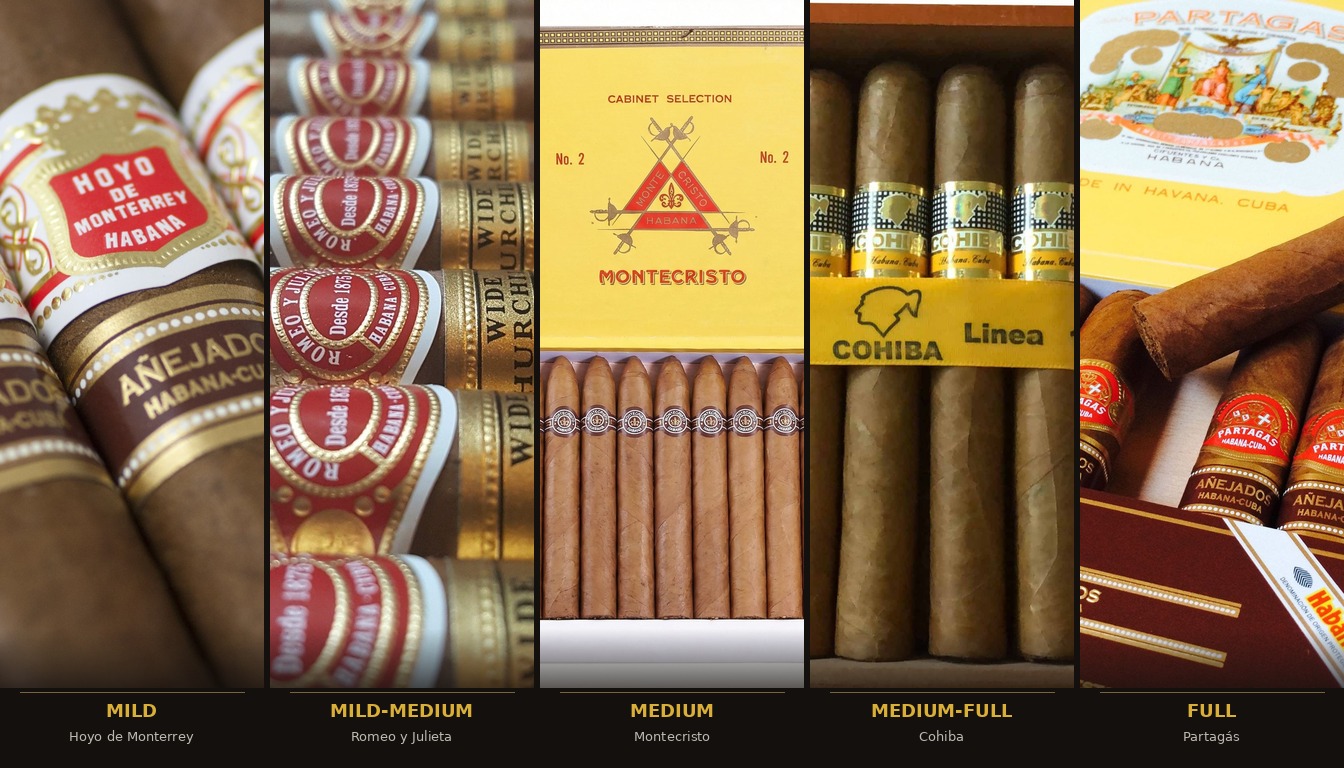
Choosing a cigar often comes down to strength preference. Here’s how all 27 brands stack up:
| Strength | Brands | Best For |
|---|---|---|
| Mild | Hoyo de Monterrey, Fonseca, La Flor de Cano | Beginners, morning smokes |
| Mild-Medium | H. Upmann, Por Larrañaga, Quai d’Orsay, Romeo y Julieta | Everyday enjoyment, after lunch |
| Medium | Montecristo, Trinidad, Ramón Allones, La Gloria Cubana, El Rey del Mundo, Rafael González, Sancho Panza, San Cristóbal, Vegas Robaina, Quintero, Cuaba, Diplomáticos | Versatile, dinner cigars |
| Medium-Full | Cohiba, Bolívar, Punch, Juan López | Experienced smokers, celebrations |
| Full | Partagás, Saint Luis Rey, Vegueros | Bold flavor seekers, after heavy meals |
Understanding Cuban Cigar Sizes
Cuban cigars use a dual naming system. The vitola de galera is the factory name (e.g., Mareva, Cañonazo) that defines exact dimensions. The vitola de salida is the commercial name that varies by brand — so a Montecristo No. 4 and a Cohiba Siglo II are actually the same factory size (Mareva: 5⅛” x 42 ring gauge).
| Factory Name | Length | Ring Gauge | Smoking Time | Examples |
|---|---|---|---|---|
| Mareva (Petit Corona) | 5⅛” | 42 | ~30 min | Montecristo No. 4, Cohiba Siglo II |
| Corona | 5⅝” | 42 | ~40 min | H. Upmann Regalias |
| Robusto | 4⅞” | 50 | ~45 min | Cohiba Robusto, Bolívar Royal Corona |
| Cañonazo | 5⅞” | 52 | ~60 min | Cohiba Siglo VI |
| Julieta (Churchill) | 7″ | 47 | ~75 min | Romeo y Julieta Churchill |
| Pirámide (Torpedo) | 6⅛” | 52 | ~60 min | Montecristo No. 2 |
| Prominente (Double Corona) | 7⅝” | 49 | ~90 min | Partagás Lusitanias |
| Laguito No. 1 (Lancero) | 7½” | 38 | ~60 min | Cohiba Lanceros |
Thicker cigars (higher ring gauge) burn cooler and produce richer, rounder smoke. Thinner formats concentrate flavors with more intensity on the palate. Cuban master blenders adjust the tobacco recipe for each size, reducing the potent ligero leaf in slimmer vitolas to maintain balance.
Frequently Asked Questions
How many Cuban cigar brands are there?
Habanos S.A. currently produces 27 active cigar brands, ranging from globally distributed powerhouses like Cohiba and Montecristo to niche heritage brands like Cuaba and Diplomáticos.
What is the best Cuban cigar brand for beginners?
Hoyo de Monterrey is widely considered the best starting point — specifically the Epicure No. 2. Its mild, creamy profile with vanilla and cedar notes provides an approachable introduction without overwhelming a new smoker. Fonseca and the lighter Romeo y Julieta lines are also excellent choices.
What is the strongest Cuban cigar brand?
Partagás and Bolívar consistently rank among Cuba’s most powerful brands. The Partagás Serie D No. 4 is perhaps the most famous full-strength Cuban cigar, delivering intense pepper, leather, and earth.
What does Habanos S.A. mean?
Habanos S.A. is the Cuban state-owned company that controls the production, quality assurance, and worldwide distribution of all Cuban cigar brands. Established in 1994, it operates as a joint venture and distributes to over 150 countries through exclusive importers.
Are all Cuban cigars handmade?
All premium Habanos cigars are Totalmente a Mano (totally handmade) with Tripa Larga (long filler). A few budget brands like José L. Piedra use short filler tobacco, which is still hand-rolled but from chopped rather than whole leaves.
Explore Cuban Cigar Brands
Every one of the 27 Cuban cigar brands has something unique to offer — from Cohiba’s luxurious complexity to Por Larrañaga’s nearly two centuries of tradition. The best way to discover your preferences is to explore across strength levels and sizes.
Browse our complete collection of authentic Habanos cigars from all major brands, shipped worldwide from our verified inventory. Every box comes with full Habanos S.A. authentication.
Related Reading
- Best Cuban Cigar Brand: The Definitive Ranking
- What Cigar Brand Did Fidel Castro Smoke?
- Are Cuban Cigars Overrated? An Honest Assessment
- Cuban Cigars vs Dominican: Which Are Actually Better?