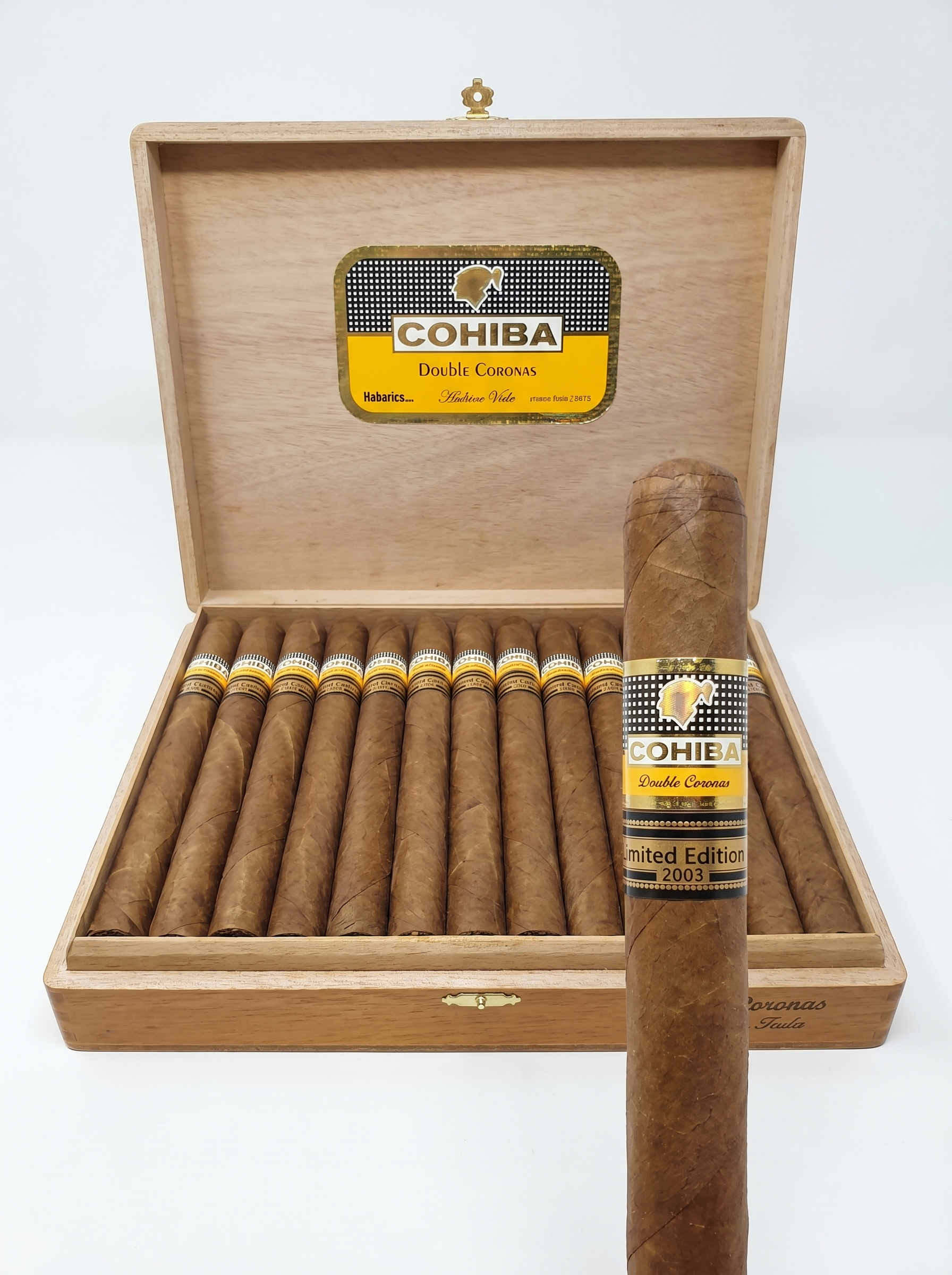
Picture This: Late November Evening, Perfect Storm of Circumstances
There I was, sitting on my buddy Marcus’s back porch in Asheville – you know, one of those perfect November evenings where the temperature’s just crisp enough to warrant a jacket but not cold enough to drive you inside. The kind of night that practically begs for a serious smoke. Marcus had just pulled out this box of Partagas Series D No. 2 Limited Edition 2003s he’d been aging for nearly two decades (the lucky bastard), and honestly? I thought he’d lost his damn mind when he said “pick one.”
Now, I’ve been around the block with cigars since ’98, but vintage Partagas – especially the Series D line – that’s holy grail territory. These weren’t just any sticks. These were the 2003 Limited Edition run, sitting pretty in their original dress boxes, practically humming with potential after all those years of patient aging.
The band came off clean (always a good sign with aged Cubans), revealing that gorgeous, oily Colorado wrapper that practically glowed in the porch light. You could tell immediately this wasn’t going to be your everyday smoke.
First Light: When Expectations Meet Reality
I’ll be straight with you – I was nervous. Twenty-year-old Cuban tobacco? That’s either going to be transcendent or a complete waste of a rare aged stick at that point. No middle ground.
The cold draw was promising. Rich, earthy, with just a hint of that sweet tobacco essence that makes your mouth water before you even light up. Construction felt solid – no soft spots, good weight distribution. Partagas has always been pretty consistent with their Series D construction, even in these limited runs.
First puff? Jesus. That’s when I knew Marcus wasn’t just showing off. This thing opened up with layers I hadn’t experienced in years. Started with this deep, almost chocolate-forward richness (not that artificial chocolate nonsense – I’m talking about the real deal, like good dark cocoa). But underneath that, there was this earthy complexity that could only come from serious age.
Here’s where I might catch some heat from the purists – I actually prefer aged Partagas over fresh ones, and this 2003 LE reminded me exactly why. Fresh Partagas can be harsh, sometimes downright aggressive. This? This was like the tobacco had learned some manners over the years.
The Journey: Not Your Typical Three-Act Play
Look, I hate those reviews that break everything down into neat little thirds like we’re analyzing Shakespeare. Cigars don’t smoke that way, especially not complex ones like this Partagas Series D.
What I will say is this thing evolved constantly. About an inch in, I started picking up these subtle leather notes – not that overpowering leather bomb you get from some Nicaraguans, but more like the smell of a well-worn baseball glove. Comforting. Familiar.
The middle section (if we’re being traditional about it) brought out more of that classic Cuban terroir. You know what I’m talking about – that indefinable earthiness that screams Vuelta Abajo. Sweet tobacco, hints of cedar, and this underlying mineral quality that I swear tastes like the Cuban soil itself.
But here’s what really got me: around the halfway point, these coffee notes started creeping in. Not espresso – more like really good cold brew that’s been steeping for hours. Rich, smooth, with just enough acidity to keep things interesting.
The final third is where age really showed its hand. Most fresh cigars get stronger as you smoke down. This one got more refined. More nuanced. It was like the tobacco was showing off everything it had learned during those twenty years in storage.
What Went Right (And What Didn’t)
Let’s talk construction first. Burn was nearly perfect – maybe had to touch it up once, but that could’ve been the evening breeze. Draw stayed consistent throughout, which isn’t always guaranteed with aged sticks.
The ash held beautifully. Gray-white, firm, held for about two inches at a time. Always a good sign when the ash cooperates.
If I’m being picky (and after 20+ years of this, I tend to be), the flavor transitions could’ve been a bit more dramatic. This was more of a gentle evolution than the wild ride you sometimes get from other premium Cubans. But honestly? Given the age and the rarity, I’m not complaining.
Pairing: What Actually Worked (And What I’d Try Next Time)
Marcus had broken out a bottle of Flor de Caña 25-year rum, and damn if that wasn’t inspired. The aged rum complemented those coffee and leather notes perfectly without overwhelming the tobacco. But if I’m being honest, halfway through I switched to neat Maker’s 46. Sue me – sometimes American whiskey just works better with Cuban tobacco.
For future reference, I’d probably try this with:
- A really good aged rum (Ron Zacapa 23 would work beautifully)
- Single malt Scotch – something Speyside, maybe a Macallan 18
- Good espresso if you’re smoking earlier in the day
- Hell, even a quality dark beer like Founders KBS would complement those roasted notes
What I wouldn’t pair it with? Anything too aggressive. This cigar deserves respect, not competition.
Real Talk: Who Should Smoke This (And Who Shouldn’t)
Let’s be brutally honest here. If you’re new to cigars, this isn’t for you. Not because you won’t appreciate it – you might – but because you’ll miss the subtleties you haven’t developed the palate for yet. It’s like giving someone who drinks Bud Light a fine bottle of wine.
This is for the serious enthusiast. The person who’s worked their way up through the Cuban catalog and understands what proper aging can do to tobacco. You should have experience with regular production Partagas Series D cigars before you tackle something like this.
That said, if you’re celebrating something major – anniversary, promotion, first kid, whatever – this could be worth treating yourself even if you’re not a hardcore aficionado. Just don’t expect to fully appreciate everything that’s going on.
Also, and this might be controversial, but I think this particular vitola works better for evening smoking. The complexity and strength level aren’t really suited for a morning or lunch smoke. This is a “serious conversation on the porch with good whiskey” kind of cigar.
Storage and Buying Tips (Learned the Hard Way)
If you’re lucky enough to find one of these 2003 Limited Editions, here’s what you need to know:
First, verify authenticity. There are fakes floating around, especially of limited editions. The bands should be crisp, the box codes should check out, and honestly, if a deal seems too good to be true, it probably is.
Second, these have been aging for twenty years. They’re in their sweet spot now, but that doesn’t mean they can’t benefit from more time. I’d smoke one now and save any others for special occasions.
Storage-wise, keep them at your normal 65-70% humidity. Don’t mess with the aging process by changing conditions now. And for the love of all that’s holy, don’t freeze them or do any of that internet nonsense. They’ve made it this far – don’t screw them up now.
The Verdict: Worth the Hunt?
Look, I’m not going to lie to you. Is this cigar worth tracking down? From a purely practical standpoint, maybe not. You can smoke plenty of excellent cigars without the years of patient hunting.
But that’s missing the point entirely. This isn’t just about the smoke – it’s about experiencing what Cuban tobacco can become with proper time and care. It’s about understanding why people get obsessed with vintage cigars in the first place.
The 2003 Partagas Series D No. 2 Limited Edition represents something that can’t be replicated or rushed. You can’t just decide tomorrow that you want to smoke a twenty-year-old Cuban – someone had to have the foresight to set it aside and the patience to age it properly.
Will it change your life? Probably not. Will it give you a benchmark for what aged Cuban tobacco can achieve? Absolutely.
Common Questions (Because I Know You’re Wondering)
How does this compare to regular Series D No. 2?
Night and day difference. Regular production Series D can be rough around the edges, especially when fresh. This limited edition, with twenty years of aging, is refined in ways that regular production just can’t match. The harshness is completely gone, replaced by complexity and depth.
Should I smoke it now or age it longer?
That’s the eternal question with aged cigars, isn’t it? My take: these are smoking beautifully now. Could they benefit from more time? Maybe. But at what point are you just hoarding instead of enjoying? Life’s too short to save all the good cigars for “someday.”
How rare is one of these to find?
Man, that’s tough. They surface only occasionally these days, and condition and verification vary widely. A well-documented, properly stored example is the real find. Always confirm authenticity before adding one to your collection.
Bottom line: if you’re serious about Cuban cigars and you have the opportunity to try one of these 2003 Limited Editions, do it. You’ll either understand why people chase vintage cigars or you’ll confirm that you’re happy with regular production. Either way, you’ll have experienced something special.
And Marcus? If you’re reading this – thanks for sharing that smoke. It reminded me why I fell in love with this hobby in the first place.
Explore more
Browse all Partagas cigars, see our Partagas price guide, or try the Partagas Serie P 2 and Partagas Serie D No. 4. Store yours in a seasoned humidor and see our guide on how long cigars last. Learn more from Wikipedia, the official Habanos S.A. site.