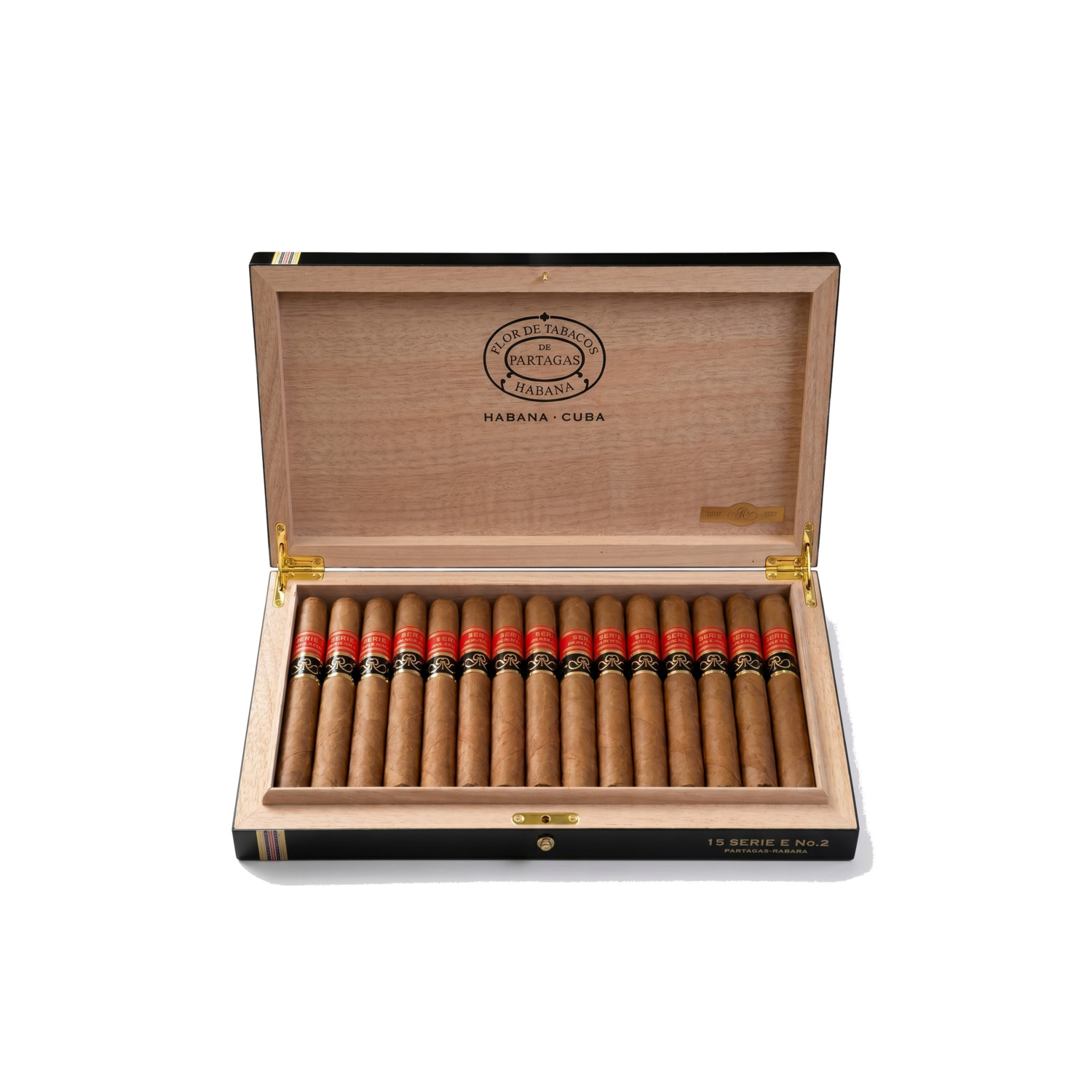
I Almost Passed on This Partagas Gran Reserva – Thank God I Didn’t
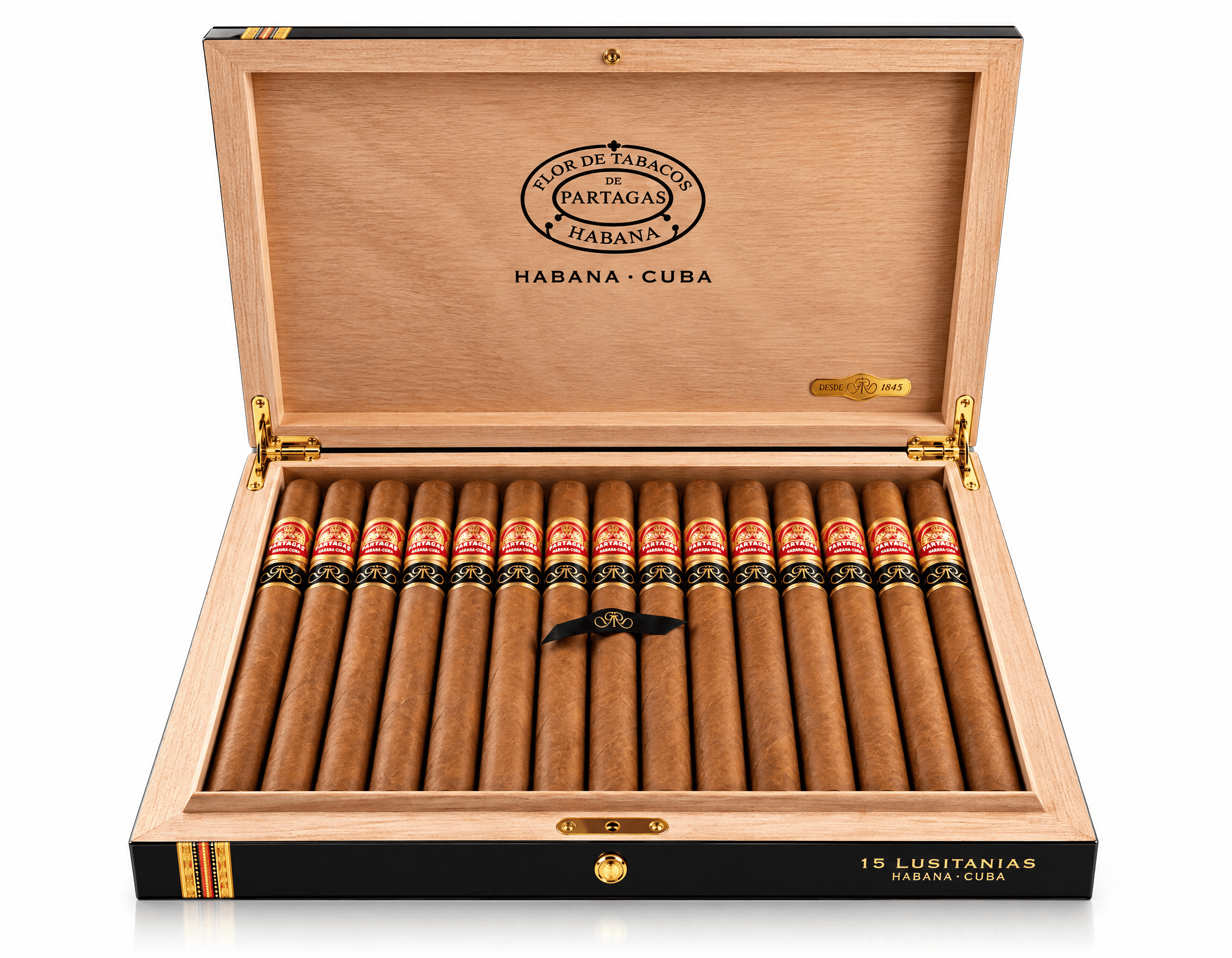
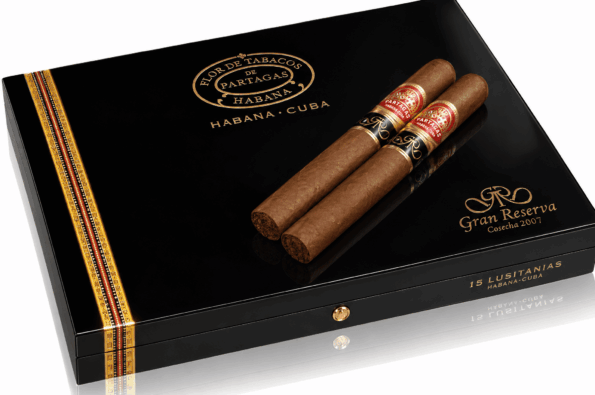
Here’s the thing that’ll probably piss off half the Cuban cigar community: I wasn’t exactly chomping at the bit to try the Partagas Lusitanias Gran Reserva Cosecha 2007 when it first landed on my humidor shelf. Yeah, I know – sacrilege, right? But after smoking literally thousands of Cubans over the past two decades, I’d gotten a bit jaded about the whole “limited edition” game. Too many disappointments, too much hype over cigars that didn’t deliver.
Boy, was I wrong about this one.
I finally lit up my first stick back in 2019 (kept meaning to try it earlier, but you know how it goes with the really special ones – you keep waiting for the “perfect” moment). It was a crisp October evening in my backyard, and I’d just finished raking what felt like seventeen tons of maple leaves. My buddy Carlos was over, complaining about his job as usual, when I decided to crack into this beauty.
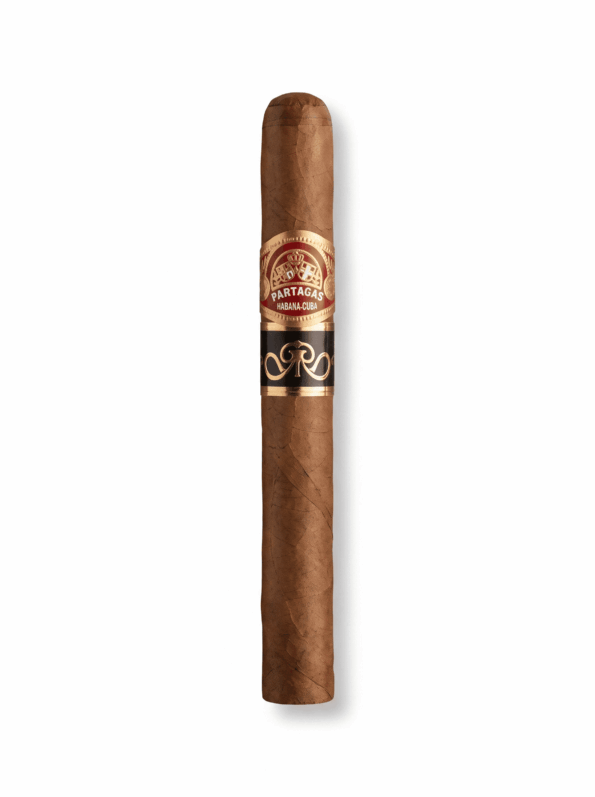
The moment I cut into this 7.6″ x 49 vitola – and damn, that’s a substantial smoke – I knew something was different. The cap cut cleanly, almost like butter, which isn’t always the case with these older Gran Reservas. Sometimes age can make them a bit brittle, but not this 2007 vintage.
First Light: When Expectations Meet Reality
The pre-light draw? Absolutely perfect. Not too tight, not too loose – just that ideal resistance that makes you think “okay, this might be good.” I’ve always been particular about draw (probably too particular, my wife would say), and this Lusitanias delivered right off the bat.
Toasting the foot with my trusty Xikar lighter, I immediately got hit with this wave of aged tobacco sweetness. It’s hard to describe unless you’ve experienced it, but there’s something about properly aged Cuban leaf that just… sings. It’s like the difference between a young Bordeaux and a twenty-year-old bottle. Same grape, completely different experience.
The initial puffs were revelation territory. Rich, complex, but not overwhelming – which is saying something for a Partagas. This marca has a reputation for power (sometimes too much power, honestly), but the Gran Reserva treatment seemed to have smoothed out all the rough edges while keeping that distinctive Partagas DNA intact.
The Flavor Journey: Why This Isn’t Your Typical Partagas
Look, I’m not gonna give you that typical “first third, second third, final third” breakdown because that’s not how I smoke cigars, and it’s probably not how you do either. Flavors evolve gradually, they overlap, they surprise you when you least expect it.
What I will tell you is this: the partagas gran reserva starts with this beautiful earthiness – think rich soil after a spring rain, not dirty or musty, just… grounded. There’s leather there too, but not that harsh, tannic leather you sometimes get with younger Partagas. This is more like a well-worn baseball glove, soft and familiar.
About an inch in, things started getting really interesting. I picked up notes of dark chocolate – not milk chocolate, mind you, but that 70% cocoa stuff that’s almost bitter but not quite. Carlos thought I was crazy when I mentioned it, but then again, Carlos thinks everything tastes like “tobacco” (bless his heart, but the man has the palate of a brick).
The middle portion is where this cigar really shows its class. The chocolate evolved into more of a coffee note – specifically, it reminded me of this Cuban coffee I had in Miami back in ’08. Dark, rich, with just a hint of sweetness. There were moments where I swear I tasted vanilla, but it was subtle, never overwhelming the main flavor profile.
Here’s where it gets controversial: I actually think this smokes better than most Cohiba Gran Reservas I’ve tried. Yeah, I said it. Sue me. The Cohibas are good – don’t get me wrong – but they sometimes feel a bit… manufactured? Like they’re trying too hard to be perfect. This Partagas has character, personality. It’s got some rough edges that make it interesting.
What I’m Drinking With It (And What You Should Too)
Pairing is everything with a cigar this complex, and I’ve tried this bad boy with quite a few different options over the years. My go-to? A nice aged rum – specifically, I’ve had great success with Zacapa 23 or, when I’m feeling fancy, some Havana Club Máximo Extra Añejo.
The sweetness in the rum plays beautifully with those chocolate and coffee notes I mentioned. It’s like they were made for each other (which, considering both come from the Caribbean region, maybe they were).
That said, I’ve also paired it with whiskey – a peated Islay Scotch works surprisingly well, though you need something with enough character to stand up to the cigar. Ardbeg 10 year is my preference, but Lagavulin 16 works too if you can track it down (good luck with that these days).
Wine? Eh, I’ve tried it, but unless you’re going with something really bold – think Barolo or a heavy Châteauneuf-du-Pape – the cigar tends to overpower most wines. Save the wine for milder smokes.
Storage and Age: The Make-or-Break Factor
Here’s something most reviews won’t tell you: these cigars are incredibly sensitive to storage conditions. More so than regular production Partagas, in my experience. I learned this the hard way when I kept a few boxes at 72% humidity (my usual preference) and they smoked tight and bitter.
Drop them down to 65-67% humidity and give them at least six months to acclimate. Trust me on this. I know it’s painful to wait, but the difference is night and day. These Gran Reservas need that slightly drier environment to really show their stuff.
Also – and this might be just my experience – they seem to smoke better in cooler weather. I’ve had several in summer heat, and while they weren’t bad, they lacked some of that complexity I get when smoking them in fall or winter. Could be psychological, but I don’t think so.
Who Should Smoke This (And Who Definitely Shouldn’t)
This isn’t a beginner cigar. Full stop. If you’re new to Cuban cigars, start with something milder – maybe a H. Upmann Corona Major or a Romeo y Julieta Churchill. This Lusitanias will overwhelm you, and you’ll waste what’s honestly a pretty special smoke.
This is for experienced smokers who appreciate complexity and don’t mind chasing it down. It’s for people who understand that sometimes the best cigars aren’t the prettiest or most consistent – they’re the ones with character.
If you’re someone who needs every cigar to taste exactly the same, stick with Dominican or Nicaraguan cigars. Cuban tobacco has personality, and personality means variation. Some days this cigar might taste more earthy, other days more chocolatey. That’s not a bug, it’s a feature.
Also, if you’re in a rush, skip it. This is a minimum two-hour commitment, often closer to three. It’s not a cigar you smoke while checking emails or watching TV. It demands attention.
The Bottom Line: Worth the Hunt
Look, I’m not gonna pretend these are easy to find. The 2007 vintage is getting harder to source, and tracking one down takes real patience. But here’s the thing: some experiences are worth the effort.
This is one of the best expressions of what Cuban cigar making can achieve when everything comes together – quality leaf, proper aging, and that indefinable Cuban magic. It’s not perfect (no cigar is), but it’s memorable in a way that most cigars, even good ones, just aren’t.
Would I buy a box? Hell yes, if I could track one down. Would I smoke them regularly? Probably not – they’re too special for that. But for those moments when you want something truly exceptional, when you want to remember why you fell in love with Cuban cigars in the first place, this Partagas Gran Reserva delivers.
A Few Questions People Always Ask
How does it compare to the regular Lusitanias? Night and day difference. The regular production is good, but this has a smoothness and complexity that the younger tobacco just can’t match. It’s like comparing a college baseball player to someone in the major leagues – same game, completely different level.
Are the construction issues as bad as people say? I’ve smoked about a dozen of these over the years, and I’d say maybe two had minor construction problems. Nothing that ruined the smoke, just some uneven burning that required a few touch-ups. For Cuban cigars, that’s actually pretty good consistency.
How long will they keep improving with age? Hard to say, but I think these have probably hit their peak. The 2007 vintage is now sixteen years old – any more aging might start to diminish rather than improve the flavors. If you have them, I’d smoke them sooner rather than later.
At the end of the day, this partagas gran reserva represents everything I love about the Cuban cigar experience: unpredictable, complex, rewarding, and just a little bit magical. It’s not for everyone, but for those who get it, it’s absolutely worth seeking out.
Explore more
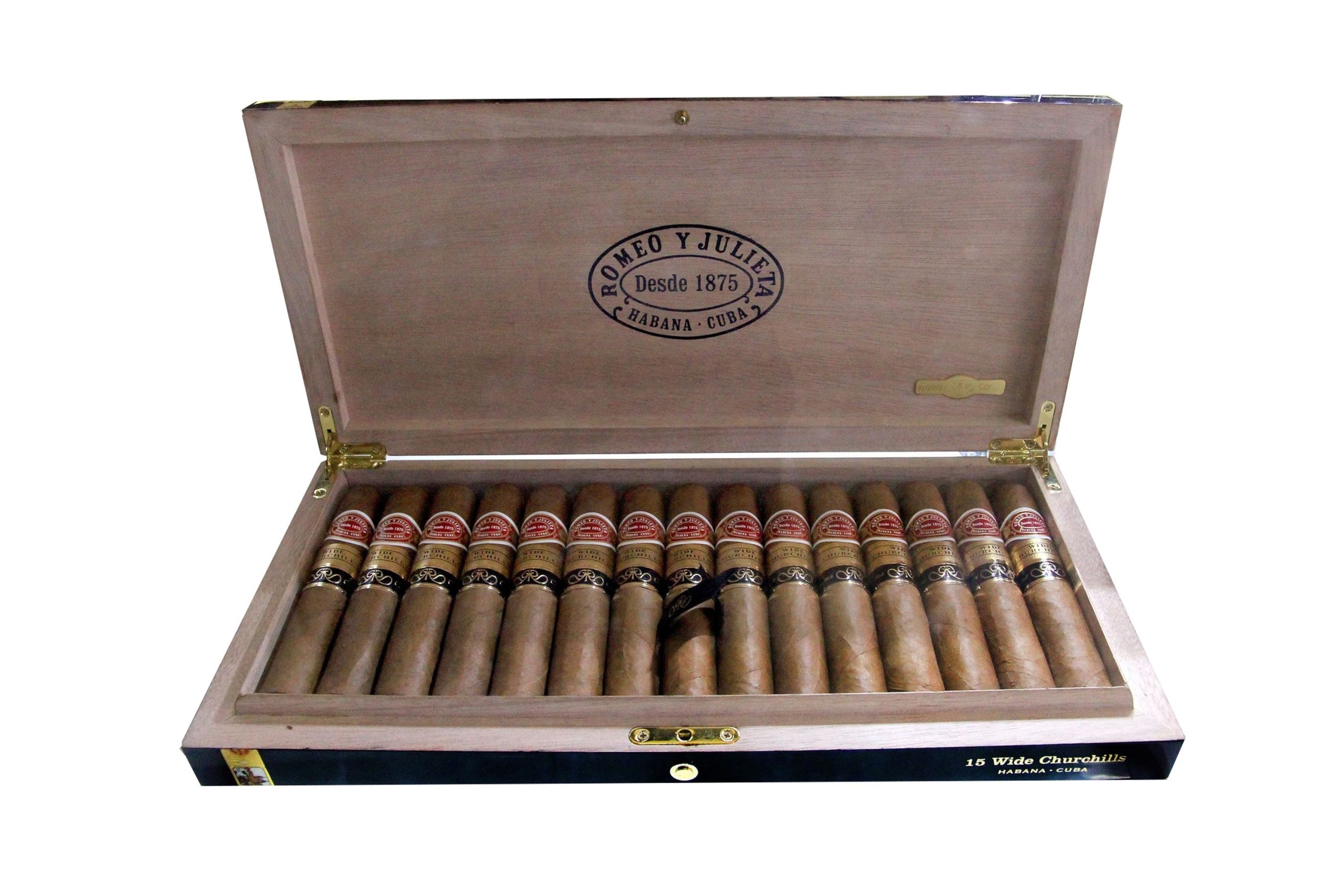
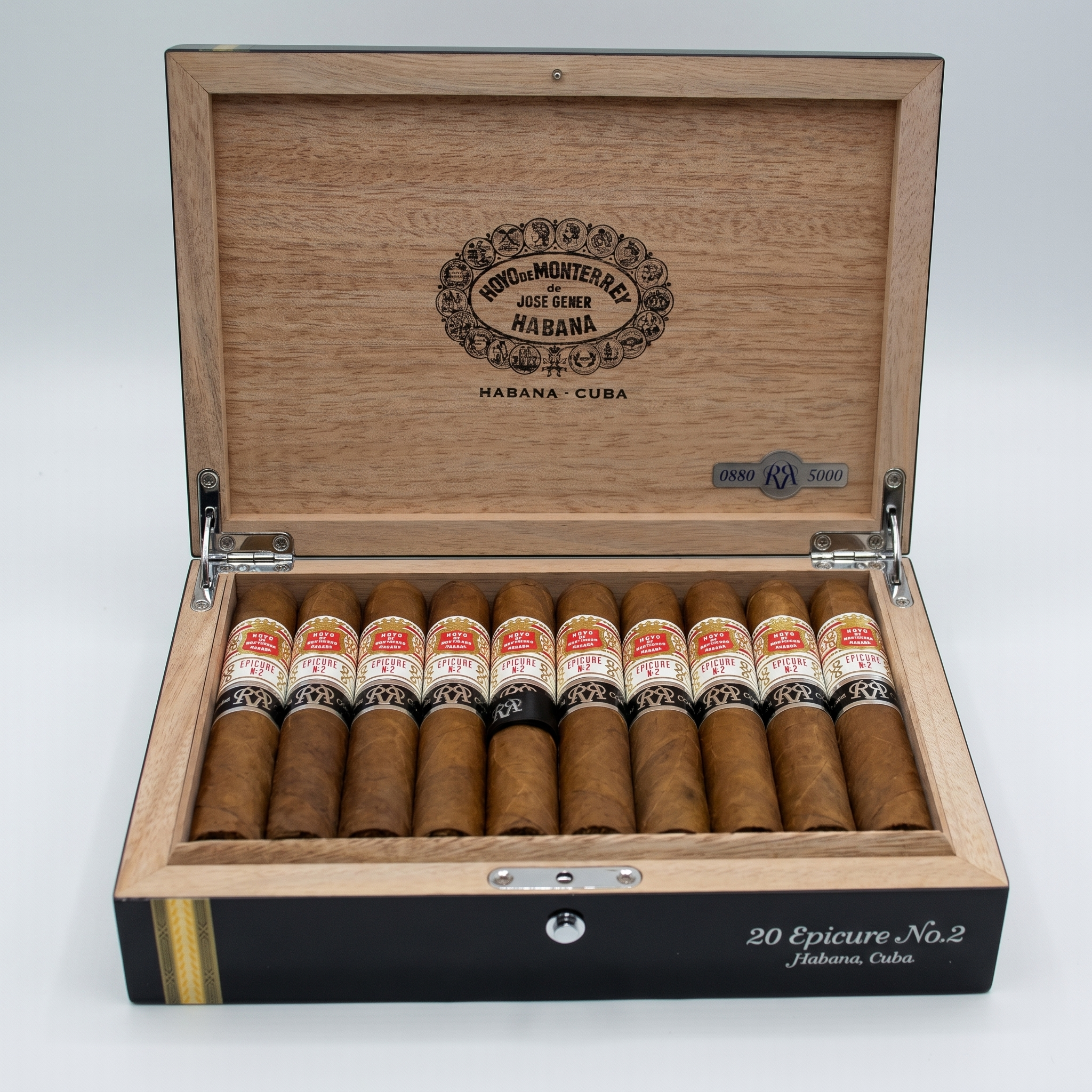
Browse all Gran Reserva cigars, or try the Romeo y Julieta Wide Churchills Gran Reserva Cosecha 2009 and Hoyo de Monterrey Epicure No. 2 Reserva Cosecha 2012 . Store yours in a seasoned humidor and see our guide on how long cigars last. Learn more from the official Habanos S.A. site.