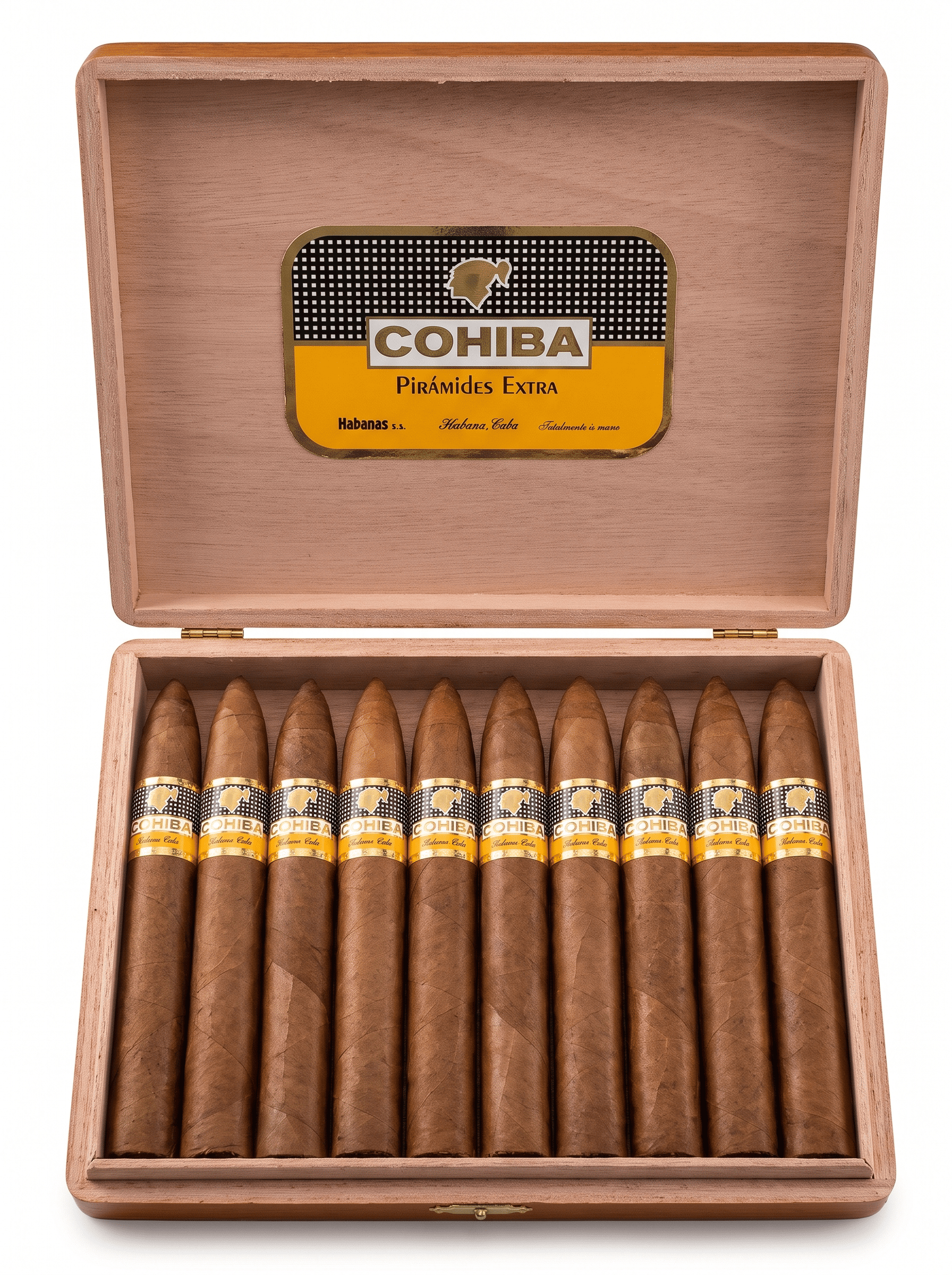
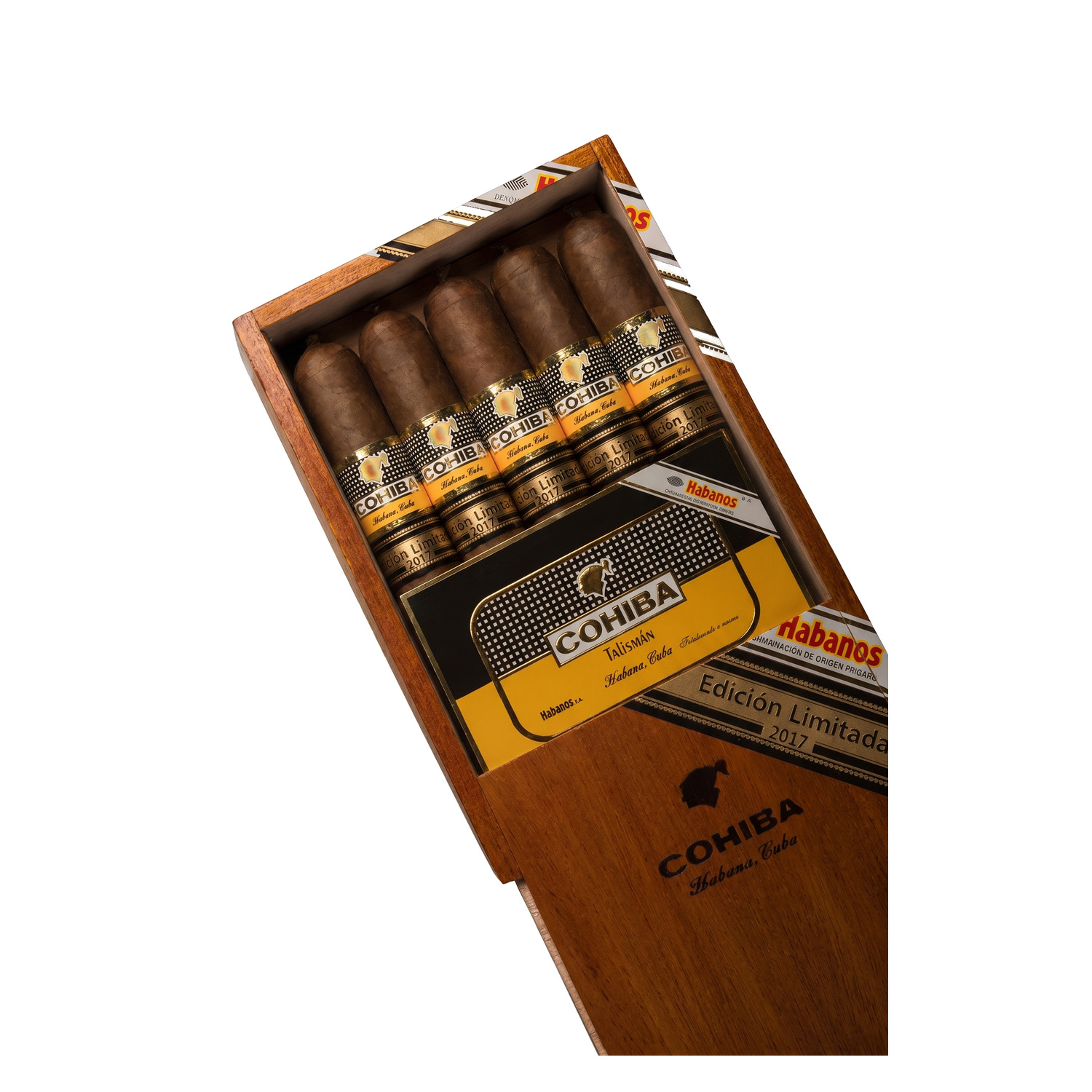
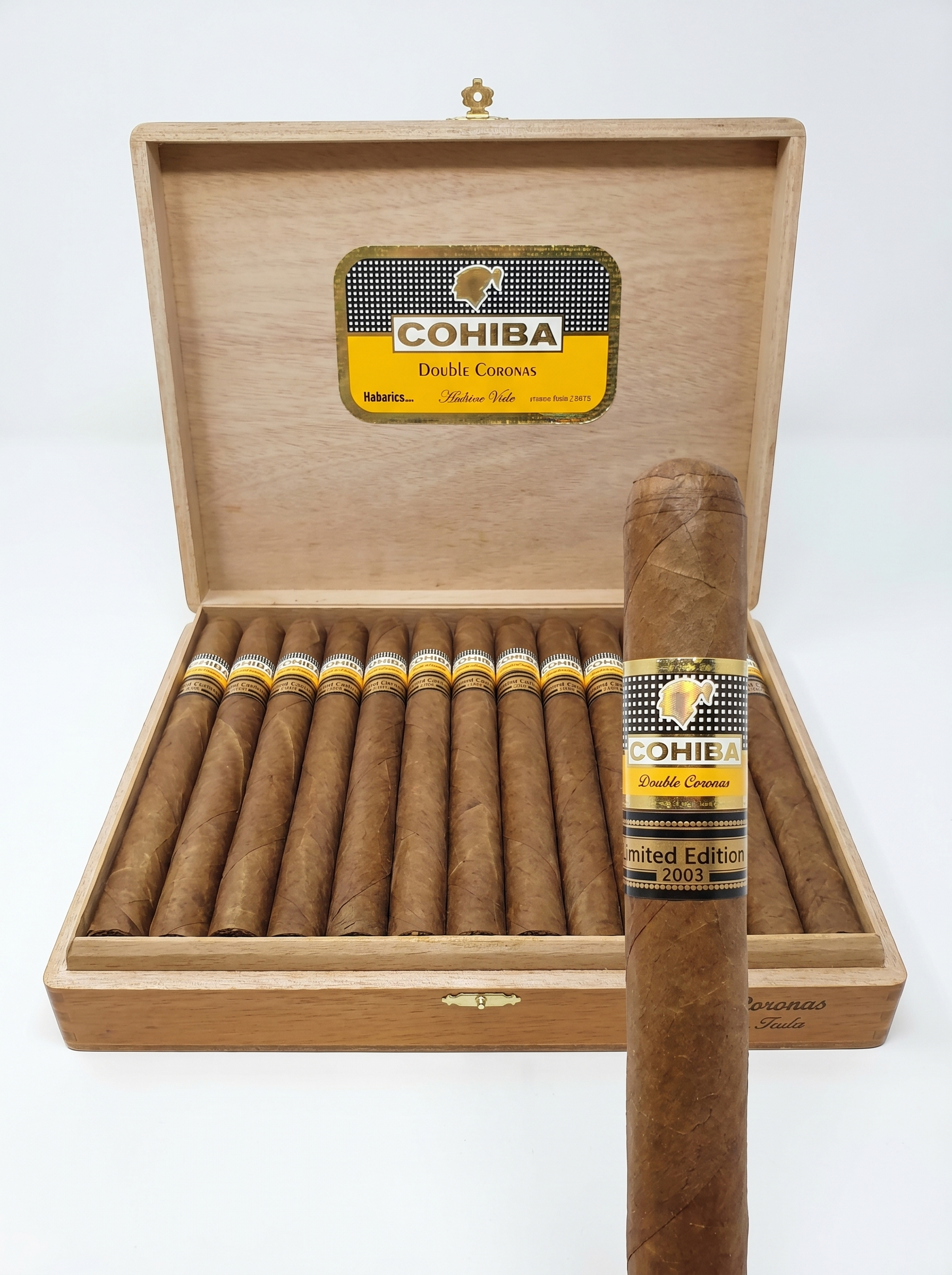
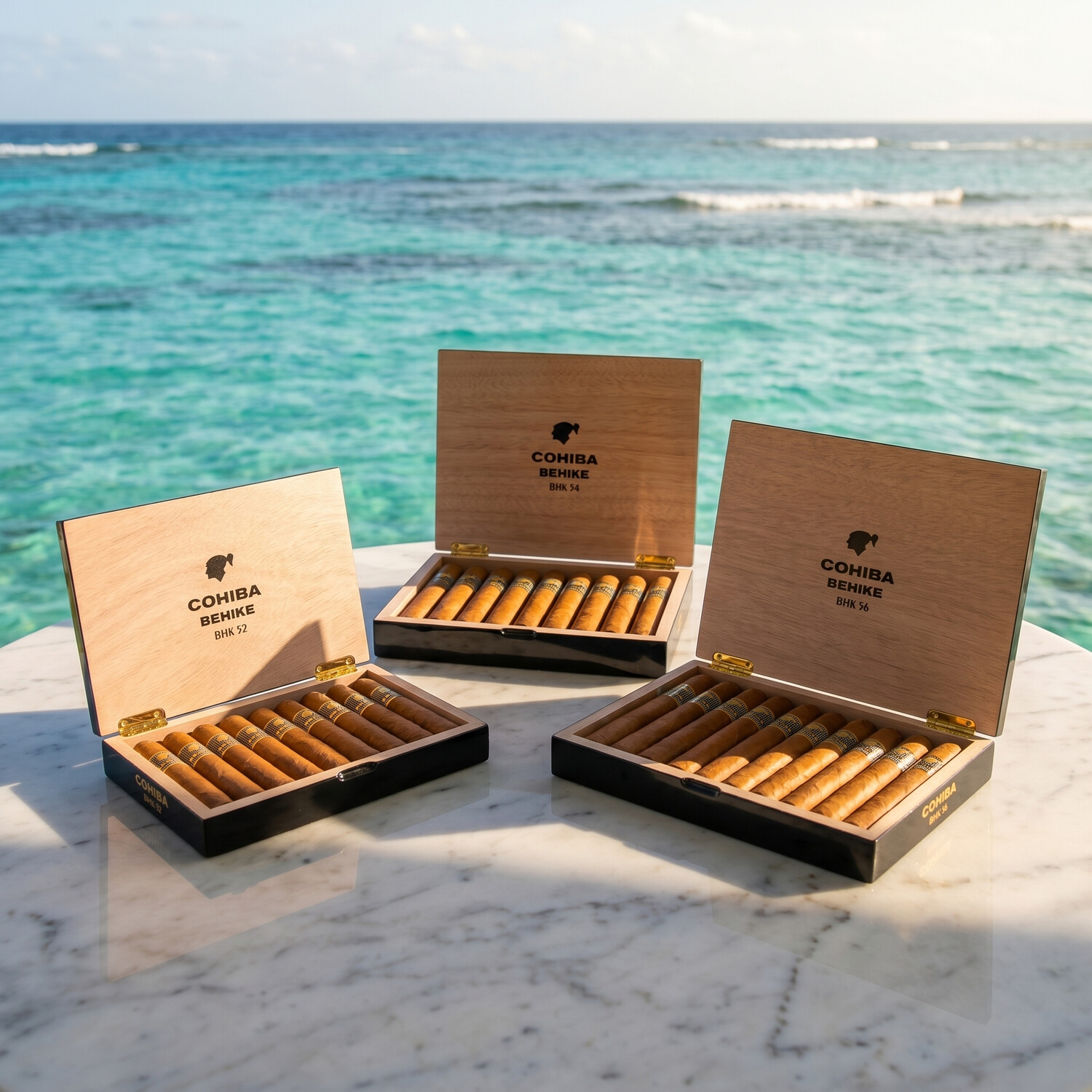
Can one robusto really live up to 150 years of Cuban legend?
That’s the question I found myself asking as I sat in my favorite smoking lounge last Tuesday, holding what’s arguably Cuba’s most famous cigar – the Cohiba Robusto. After two decades of chasing smoke rings and burning through more cigars than I care to admit (my wife certainly doesn’t), I’ve learned that reputation and reality don’t always shake hands. But damn if this one doesn’t come close.
I’ll be straight with you right off the bat – Cohiba Robustos aren’t for everyone. They’re demanding, harder to find than a decent parking spot in Manhattan, and honestly? Sometimes the hype machine runs so hot that even genuine sticks can disappoint. That said, when you get your hands on an authentic one (and I’ll tell you exactly how to spot a fake Cohiba later), it’s like having a conversation with Cuban tobacco royalty.
First Impressions: The Real Deal Recognition
Before we even talk about lighting this beauty up, let’s address the elephant in the humidor. Fake Cohibas are everywhere. I mean everywhere. I’ve seen them in resort gift shops, online marketplaces, and hell, my buddy Rick brought back a box from Cancun that were so obviously counterfeit I didn’t have the heart to tell him until he’d already bragged about his “Cuban connection” to half the neighborhood.
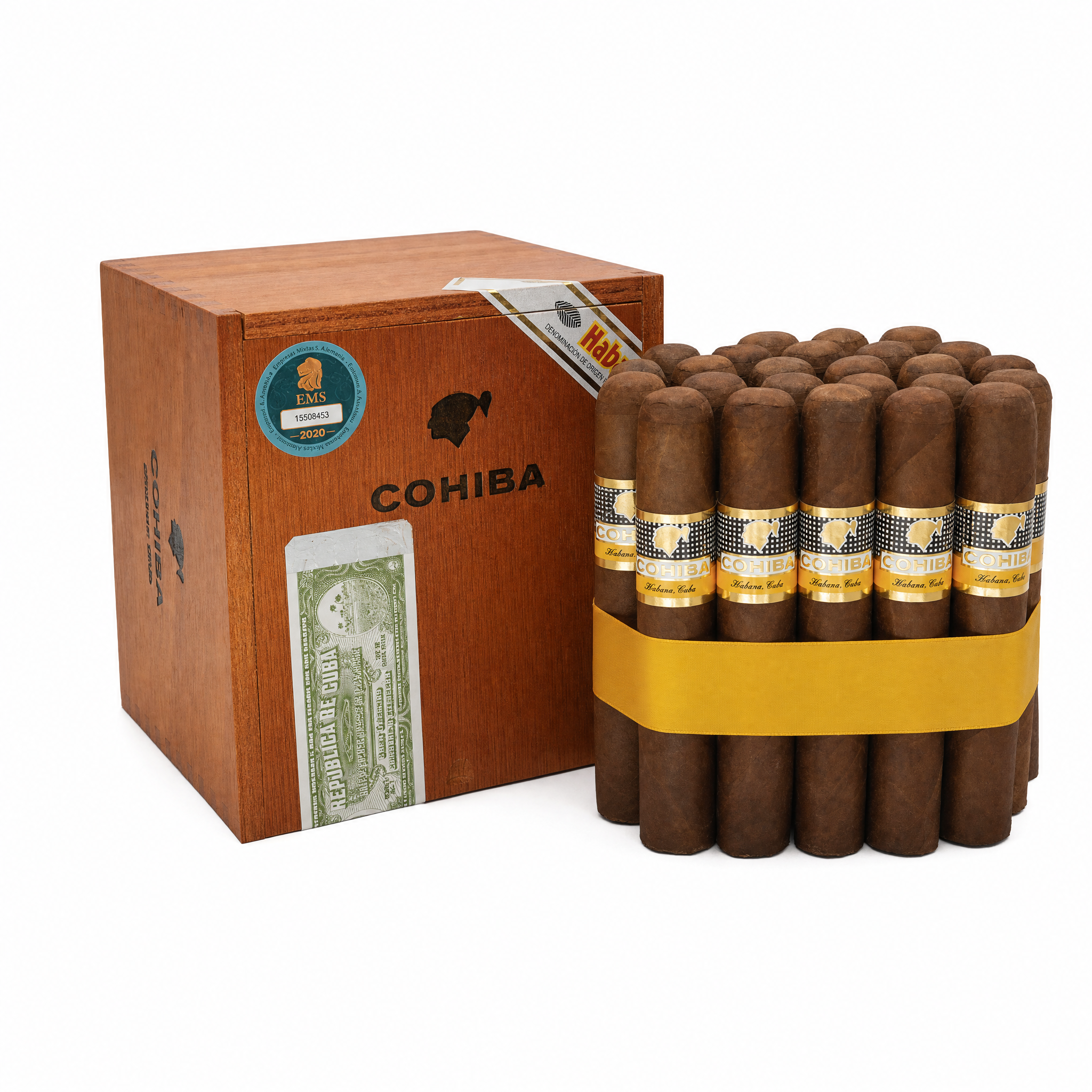
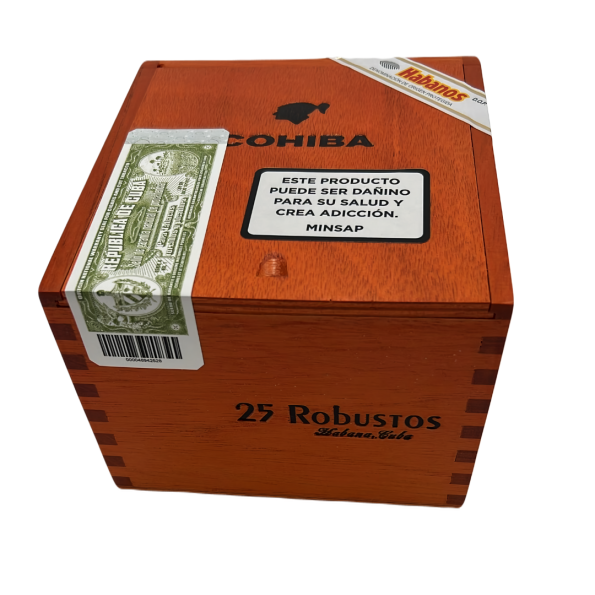
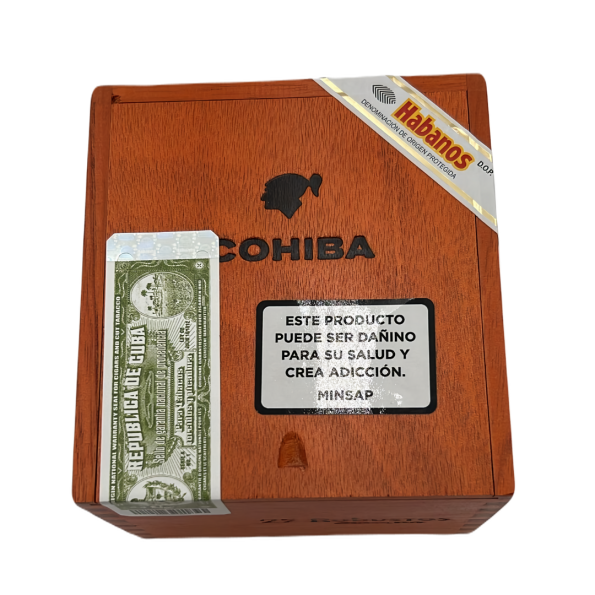
Here’s how to spot a fake Cohiba without looking like a rookie: First, check that band. The authentic Cohiba band has a holographic strip that changes from gold to green when you tilt it. Fakes either don’t have this at all or it’s some flimsy foil that looks like it came from a gum wrapper. The printing should be razor-sharp – if the letters look fuzzy or the colors seem off, walk away. Also, real Cuban Cohibas have a triple cap (three layers of wrapper leaf at the head), and the construction should feel substantial but not dense. If it feels like a brick or rattles when you shake it gently, that’s your cue to find a better source.
The real Cohiba Robusto I’m smoking today came from a trusted dealer who’s never steered me wrong. It’s got that unmistakable oily, dark wrapper that feels like silk between your fingers. The construction is immaculate – no soft spots, no visible veins, just a perfectly cylindrical 50 ring gauge by 4.9 inches of pure Havana craftsmanship.
The Smoking Experience: A Journey Worth Taking
I’m not one of those guys who breaks cigars down into perfect thirds like we’re conducting a science experiment. Smoke doesn’t follow a script, and neither do my reviews. Instead, let me tell you about the journey this Cohiba took me on.
The cold draw gave me hints of cocoa and leather – classic Cuban signatures. But here’s where Cohiba separates itself from the pack: that first puff hits you with a complexity that builds slowly rather than smacking you in the face. It’s refined. Sophisticated. Like the difference between a well-aged whiskey and something you’d mix with Coke.
About ten minutes in, I’m getting waves of coffee bean, dark chocolate, and this earthy minerality that screams “Cuban terroir.” You know that taste you get when you breathe deeply in a cedar closet? That, but with tobacco wrapped around it. The retrohale (if you’re brave enough) delivers white pepper and spice that doesn’t overwhelm but definitely announces itself.
Now here’s where things get interesting – and why I think some people are disappointed with Cohibas. This isn’t a flavor bomb. It’s not going to knock your socks off with intensity the way a Padron 1964 Anniversary might. The beauty is in the subtlety and balance. If you’re the type who needs every cigar to taste like a campfire wrapped in molasses, you’re going to think this is boring. You’d be wrong, but I get it.
The middle section developed into what I can only describe as tobacco perfection. Creamy smoke, perfect draw, and flavors that shifted between nuts, dark fruit, and this incredible Cuban earth taste that you just can’t replicate anywhere else. The burn stayed razor-straight without any touch-ups – which, let’s be honest, from a cigar this celebrated it damn well better.
By the final third, things got a bit more robust (pun intended). The pepper ramped up, the earth notes deepened, and there was this incredible coffee finish that lingered long after each puff. No harshness, no bitterness – just clean, complex tobacco flavor that reminded me why I fell in love with cigars in the first place.
What I’m Drinking With It (And What You Should Too)
Pairing is personal, but I’ve found some combinations over the years that work beautifully with Cohiba Robustos. My go-to is Havana Club 15-year rum – if you can find it. The aged sweetness complements the tobacco earthiness without competing. If rum isn’t your thing, try a good single malt Scotch. I’ve had great experiences with Macallan 18 and this particular cigar.
For something different, grab a bottle of Barolo. I know, I know – wine and cigars can be tricky. But the tannins in a good Italian red actually work with the leather notes in the Cohiba. Last month I paired one with a 2016 Giacomo Conterno, and it was like they were made for each other.
Coffee? Absolutely. But make it Cuban if you can. Café Bustelo espresso works in a pinch, but if you’ve got access to real Cubita coffee, that’s the move. The roasted bean flavors create this incredible echo chamber effect with the cigar’s natural coffee notes.
Who Should (And Shouldn’t) Smoke These
Let’s be real about who this cigar is for. If you’re new to cigars, start somewhere else. Not because you can’t handle it, but because a flagship Cohiba is a lot of cigar to cut your teeth on. Start with some Macanudos or Romeo y Julietas first. Build up your palate, understand what you like, then graduate to the special-occasion stuff.
This is perfect for special occasions. I’m talking birthdays, promotions, the birth of a child, or just because it’s been a hell of a week and you want to treat yourself. It’s also ideal for those quiet contemplative smokes where you want to actually think about what you’re tasting rather than just puffing away while watching the game.
If you’re the type who needs to be constantly puffing and chatting during your smoke, this might not be your stick. The Cohiba Robusto demands attention and respect. It’s not background noise – it’s the main event.
Skip it if you’re looking for an everyday smoke or if you typically prefer mild Connecticut-wrapped cigars. This has body and complexity that might overwhelm lighter palates. Also, if you’re someone who gets bent out of shape about counterfeits and availability issues, the frustration might not be worth it.
Storage and Insider Tips
Cuban cigars are finicky bastards, and Cohibas are no exception. Store them at 65% humidity, not the typical 70% you might use for other cigars. I learned this the hard way after ruining a few sticks by over-humidifying. Cuban tobacco seems to prefer things a bit drier.
Temperature matters too. Keep them cool – around 68-70°F if you can manage it. I’ve got mine in a temperature-controlled cabinet now, but for years I just kept them in the coolest, most stable part of my house.
Here’s something most people don’t know: let them rest. Even if you bought them from a reputable dealer, Cuban cigars often benefit from a few weeks to a few months in your humidor to acclimate. I’ve had Cohibas that were harsh and tight straight from the box transform into silk after six weeks of proper storage.
One more thing – when you’re ready to smoke, take your time with the light. Use a torch lighter or cedar spills, and toast that foot evenly. Cuban wrapper leaf can be delicate, and rushing the lighting process will mess with the flavor profile for the entire smoke.
The Controversial Take
Here’s my unpopular opinion: most of the time, you’re smoking the name as much as the tobacco. Don’t get me wrong – this is an excellent cigar. But I’ve had Partagás Serie D No. 4s and Montecristo No. 2s that were 90% as good. The Cohiba mystique is real, and it’s earned, but it can also overshadow what’s in your hand.
That said, sometimes you want to drive the Ferrari instead of the Honda, even if they’ll both get you where you’re going. The Cohiba experience – the band, the construction, the flavor journey, the bragging rights – is worth it when you’re in the right mood.
Frequently Asked Questions
How long does a Cohiba Robusto take to smoke?
Plan on 60-75 minutes if you’re taking your time. I’ve stretched them to 90 minutes when I really wanted to savor the experience, but that’s pushing it before the flavors start to turn.
Can you age Cohiba Robustos?
Absolutely. Cuban cigars often improve with age, and I’ve had 5-year-old Cohibas that were noticeably smoother and more complex than fresh ones. Just make sure your storage conditions are dialed in.
What’s the difference between Cohiba Robustos and other Cuban Robustos?
The tobacco blend is unique to Cohiba – they use some leaves that go through an extra fermentation process. This creates that distinctive smoothness and complexity. Other Cuban robustos can be excellent, but they won’t taste quite like this.
Where’s the best place to buy authentic Cohibas?
Licensed Cuban cigar dealers or duty-free shops in countries where Cuban cigars are legal. Online can be risky due to counterfeits. If you’re traveling, Cuban airport shops are generally reliable sources.
Look, at the end of the day, the Cohiba Robusto is sometimes hard to find, and definitely overhyped in certain circles. But when you get your hands on a genuine one and give it the time and attention it deserves, it reminds you why Cuban cigars have maintained their legendary status for over a century. It’s not an everyday smoke, but for those special moments when you want something truly exceptional, it delivers. Just make sure you know how to spot a fake Cohiba first – trust me on that one.
Explore more from Cohiba
The Cohiba Robustos was named a Top 25 cigar by Cigar Aficionado in 2019. Explore every line in our Cohiba guide, or compare the Siglo VI, Esplendidos and Behike 52. Keep it in a seasoned humidor; see how long cigars last. Brand history: Wikipedia · Habanos S.A.